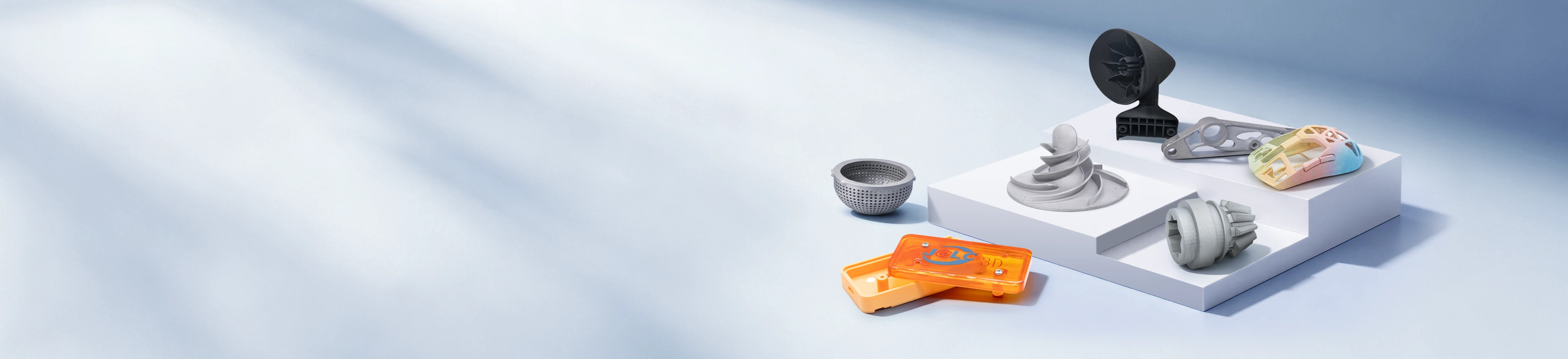
3D Printing Capabilities
JLC3DP provides industrial 3D printing capabilities for functional prototypes and production parts across SLA, MJF, SLS, SLM, BJ, WJP and FDM technologies. Explore our manufacturing capabilities, available materials, dimensional tolerances, surface finishes, and design considerations to choose the right process for your application.
Get Instant Quote >What Is 3D Printing?
3D printing, also known as additive manufacturing, is a manufacturing process that creates physical parts directly from CAD or 3D model data by building material layer by layer. Unlike traditional subtractive manufacturing, material is added only where needed, enabling greater design freedom, reduced material waste, and cost-effective production for complex parts.
Compared with conventional manufacturing methods, industrial 3D printing shortens product development cycles, eliminates tooling for rapid prototypes and low-volume production, enables highly complex geometries, and accelerates product innovation across industries including aerospace, automotive, robotics, electronics, and consumer products.

Custom 3D Printing Services
Explore our full range of industrial custom 3D Printing services, each optimized for different materials, precision requirements, and applications.
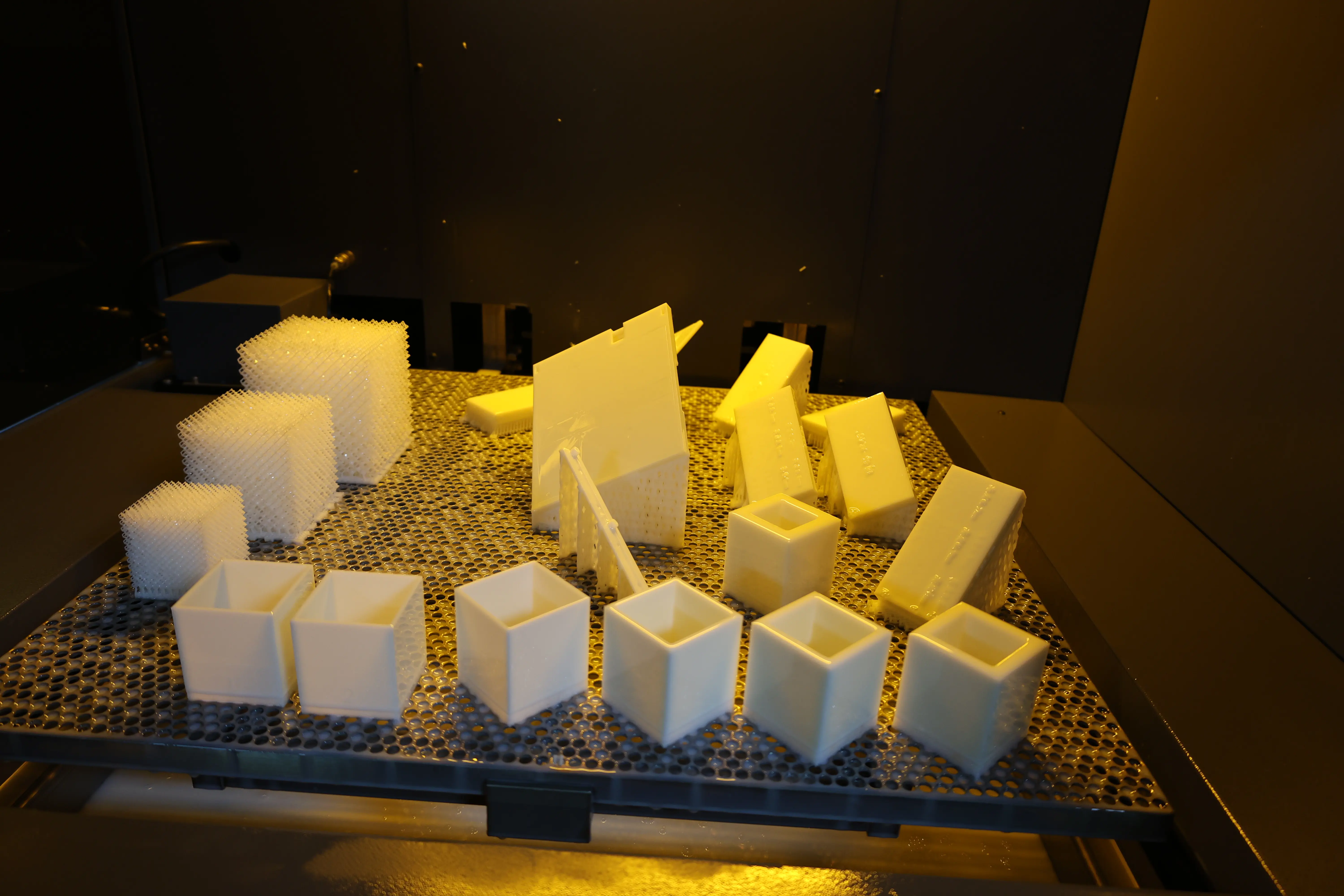
Stereolithography (SLA)
- Definition: A high-precision resin-based 3D printing process that uses a laser to cure liquid photopolymer into smooth, detailed parts.
- Common Materials: Ledo 6060, Black Resin, Transparent 8001, and 8+ resin materials.
- Typical Tolerance: ±0.2mm (within 100mm), ±0.3% (above 100mm)
- Quality Standard: ISO 9001 certified manufacturing
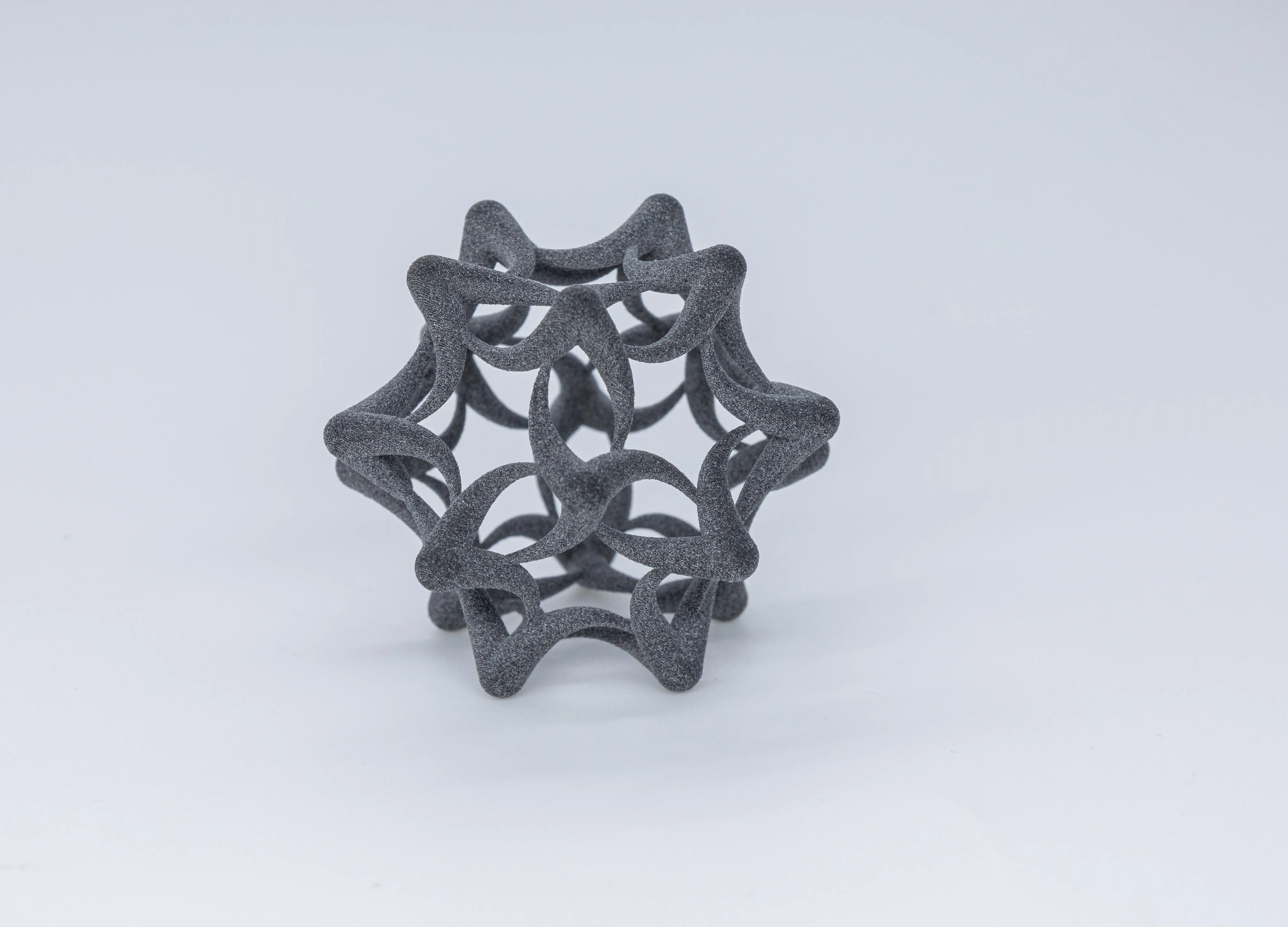
HP Multi Jet Fusion (MJF)
- Definition: A powder-based 3D printing technology that uses fusing agents and heat to produce strong, high-detail nylon parts with excellent consistency.
- Common Materials: PA12-HP, PA11-HP, and PAC-HP Nylon
- Typical Tolerance: ±0.3mm (within 100mm), ±0.4% (above 100mm)
- Quality Standard: ISO 9001 certified manufacturing
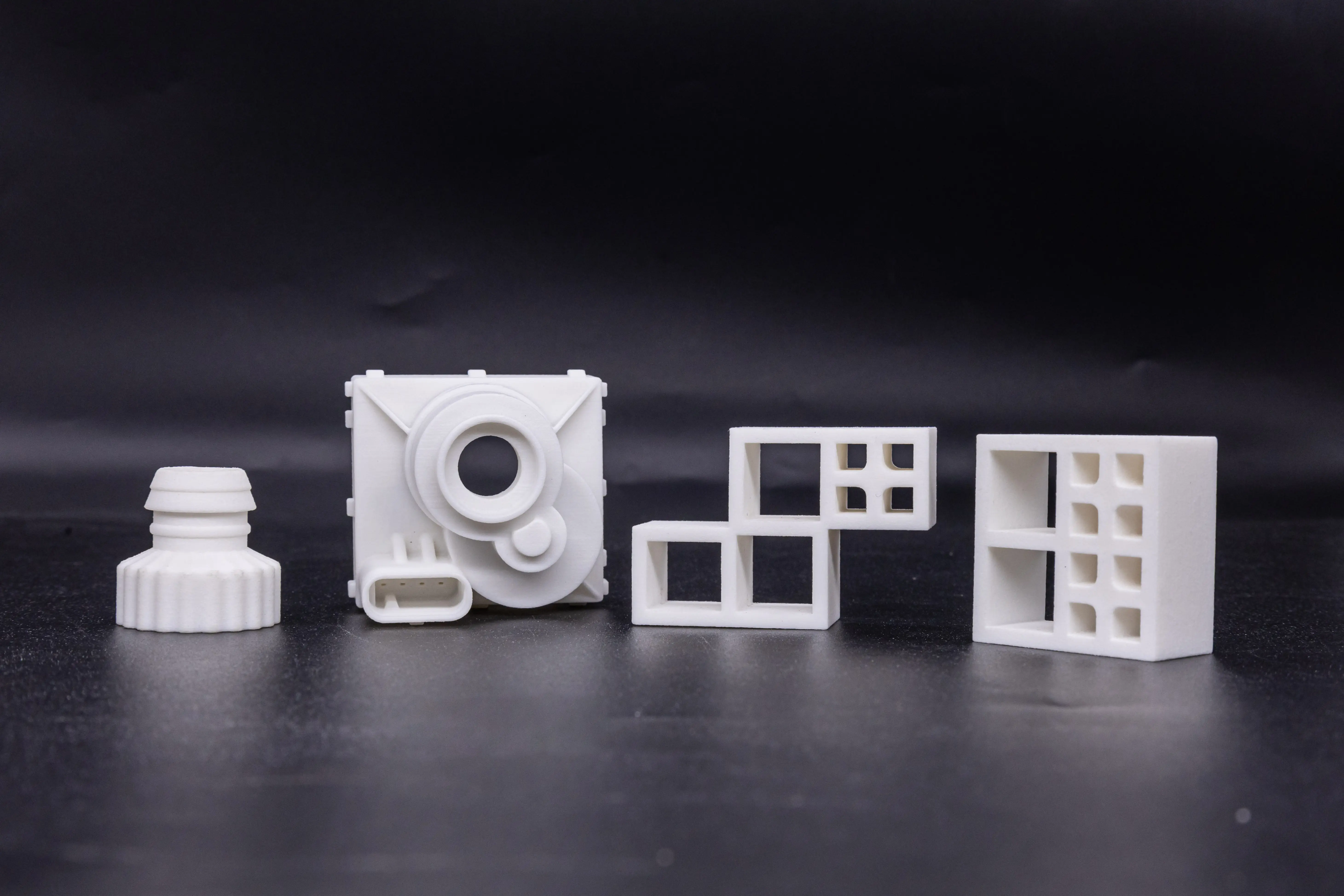
Selective Laser Sintering (SLS)
- Definition: An industrial 3D printing process that sinters nylon powder with a laser to create durable, complex parts without support structures.
- Common Materials: 3021PA-F, 3301PA, 3401GB and 1172Pro Nylon
- Typical Tolerance: ±0.3mm (within 100mm), ±0.4% (above 100mm)
- Quality Standard: ISO 9001 certified manufacturing
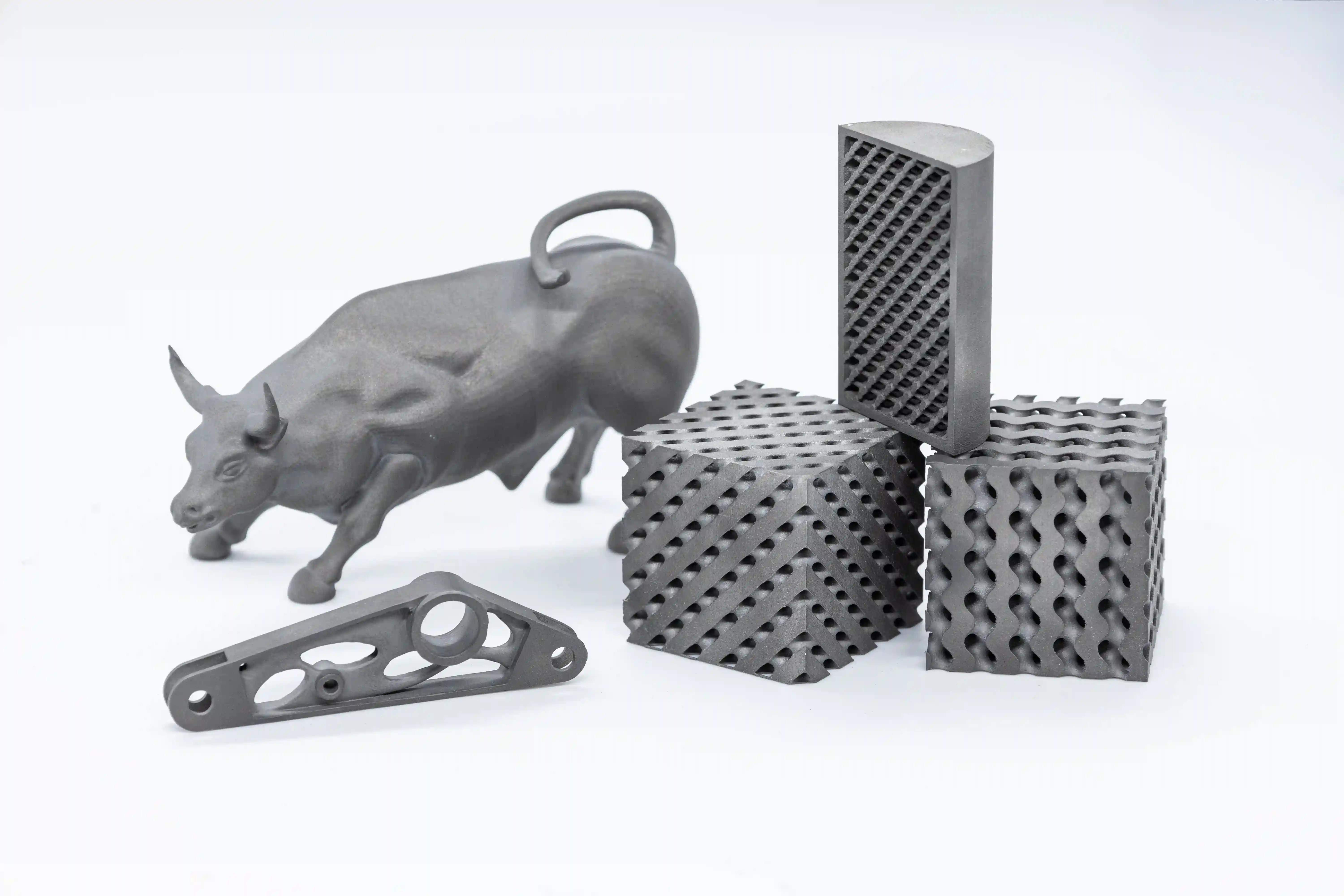
Selective Laser Melting (SLM)
- Definition: A metal 3D printing process that fully melts metal powder using a high-energy laser to produce dense, high-strength parts.
- Common Materials: Titanium TC4, 316L Stainless Steel
- Typical Tolerance: ±0.3mm (within 100mm), ±0.4% (above 100mm)
- Quality Standard: ISO 9001 certified manufacturing
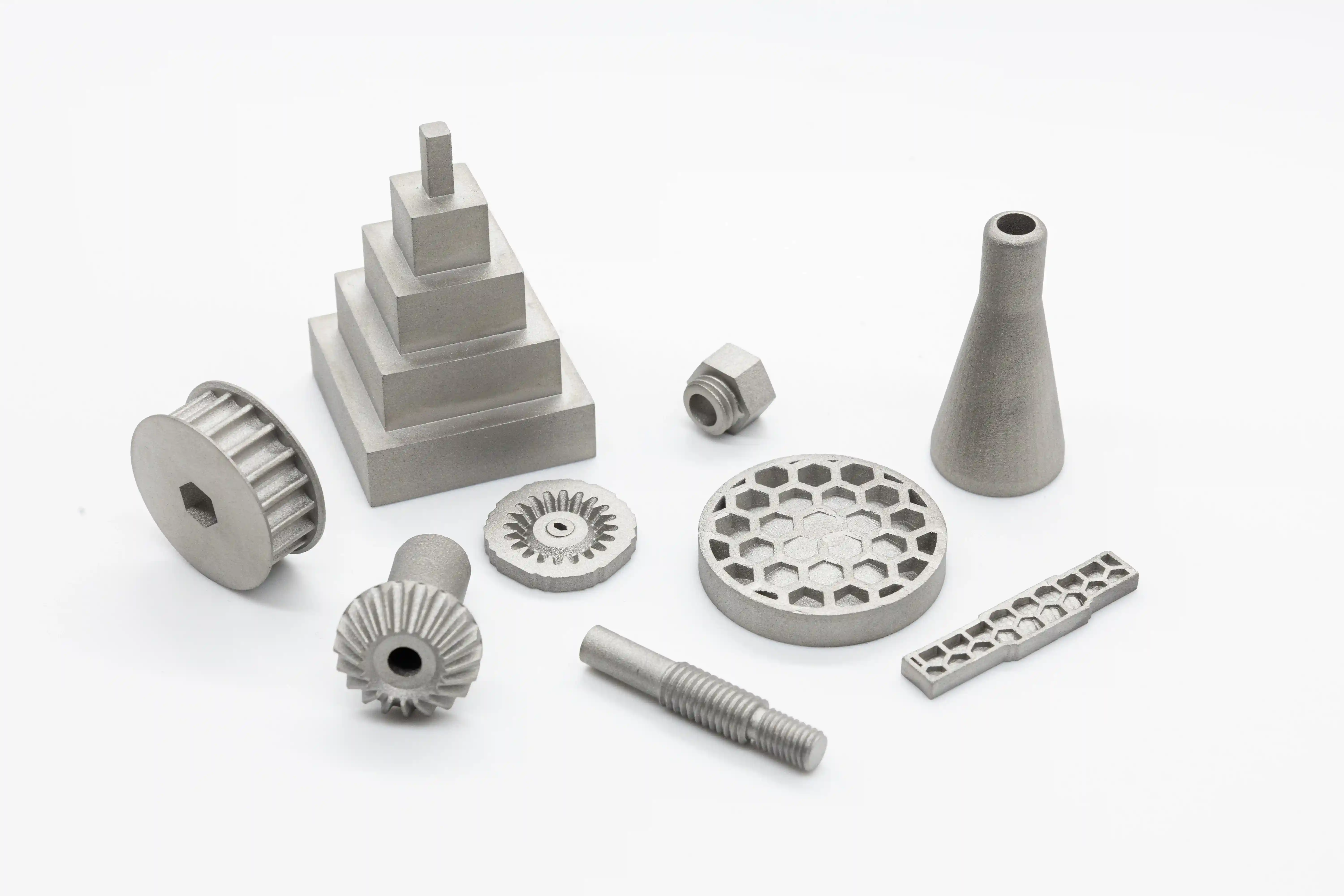
Binder Jetting (BJ)
- Definition: A high-speed 3D printing process that uses a liquid binding agent to bond powder materials, suitable for metal and sand casting applications.
- Common Materials: BJ-316L
- Typical Tolerance: ±0.3mm or ±0.4% (within 50mm), ±1.3% (above 50mm)
- Quality Standard: ISO 9001 certified manufacturing
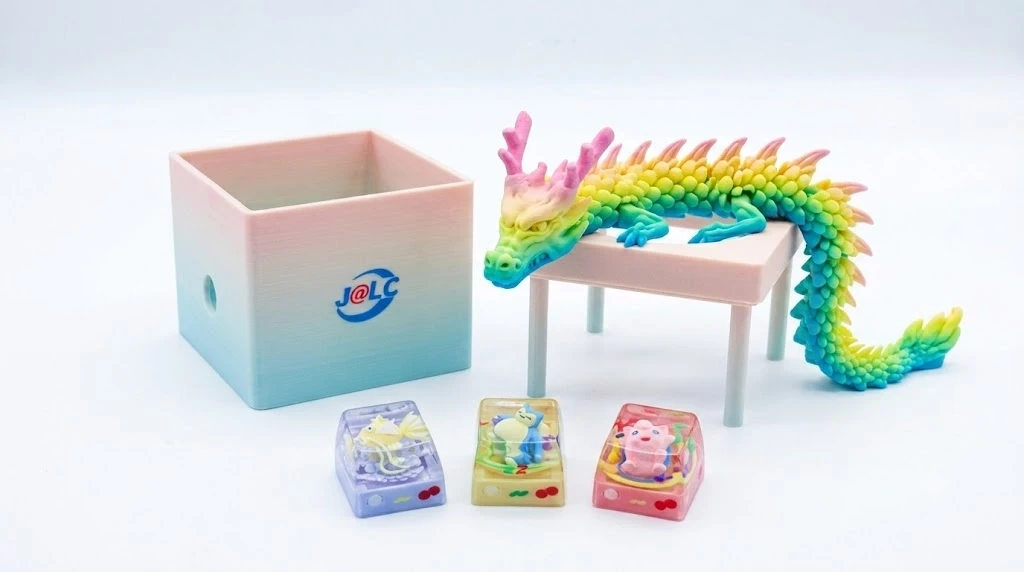
White Jet Process (WJP)
- Definition: A material jetting-based 3D printing technology designed for producing high-resolution, full-color parts with smooth surfaces.
- Common Materials: Full-Color Resin
- Typical Tolerance: ±0.2 mm (within 100mm), ±0.3% (above 100mm)
- Quality Standard: ISO 9001 certified manufacturing
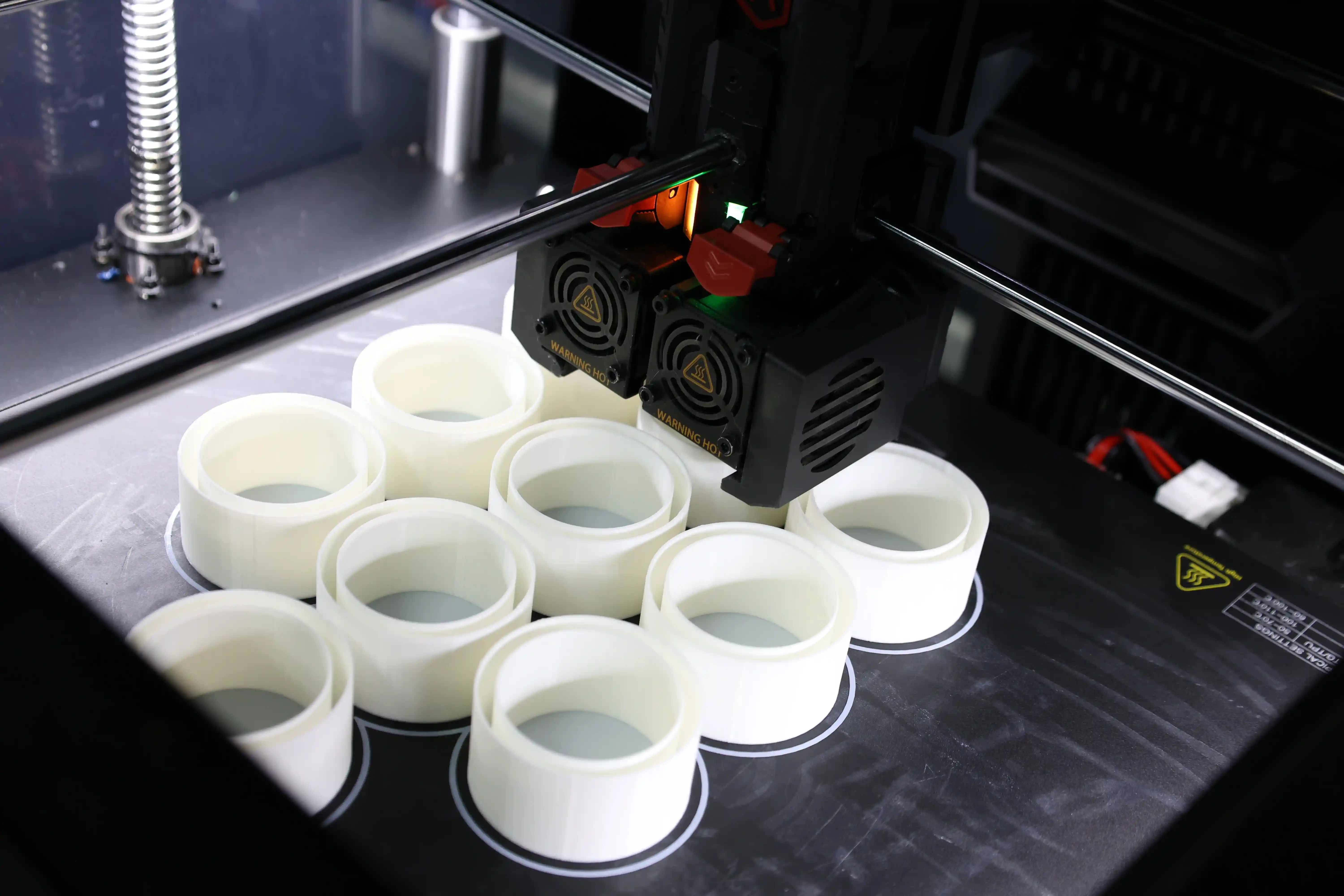
Fused Deposition Modeling (FDM)
- Definition: A cost-effective 3D printing process that builds parts by extruding thermoplastic filaments layer by layer, ideal for functional prototypes and basic end-use parts.
- Common Materials: ABS, ASA, PLA, PA12-CF, PEBA, and TPU Plastics
- Typical Tolerance: ±0.3mm (within 100mm), ±0.4% (above 100mm)
- Quality Standard: ISO 9001 certified manufacturing
3D Printing Tolerances
Parameter | Description |
|---|
Max Build Size | 780×780×530mm |
Standard Lead Time | 48h-120h |
Tolerance (Best) | ±0.2mm |
Minimum Hole Accuracy | ±0.3mm |
Minimum Clearance for Assemblies | 0.2mm |
Minimum Clearance for Moving Parts | 0.5mm |
Minimum Feature Size | 5×5×5mm / 10×2×2mm |
Threading Capability | Supports machining M6 and above threads, thread insert service available |
Surface Roughness | After polishing: Ra 0.8-2.4 (polishing currently only available for BJ process) |
Surface Finishing Options | Multiple finishing options available: Sanding, Sandblasting, Spray Painting, Dyeing, Polishing, Threaded Insert Service, Oil spraying, Mineral Oil Spraying, etc. |
3D Printing Material
3D Printing Post Processing and Surface Finishing Options
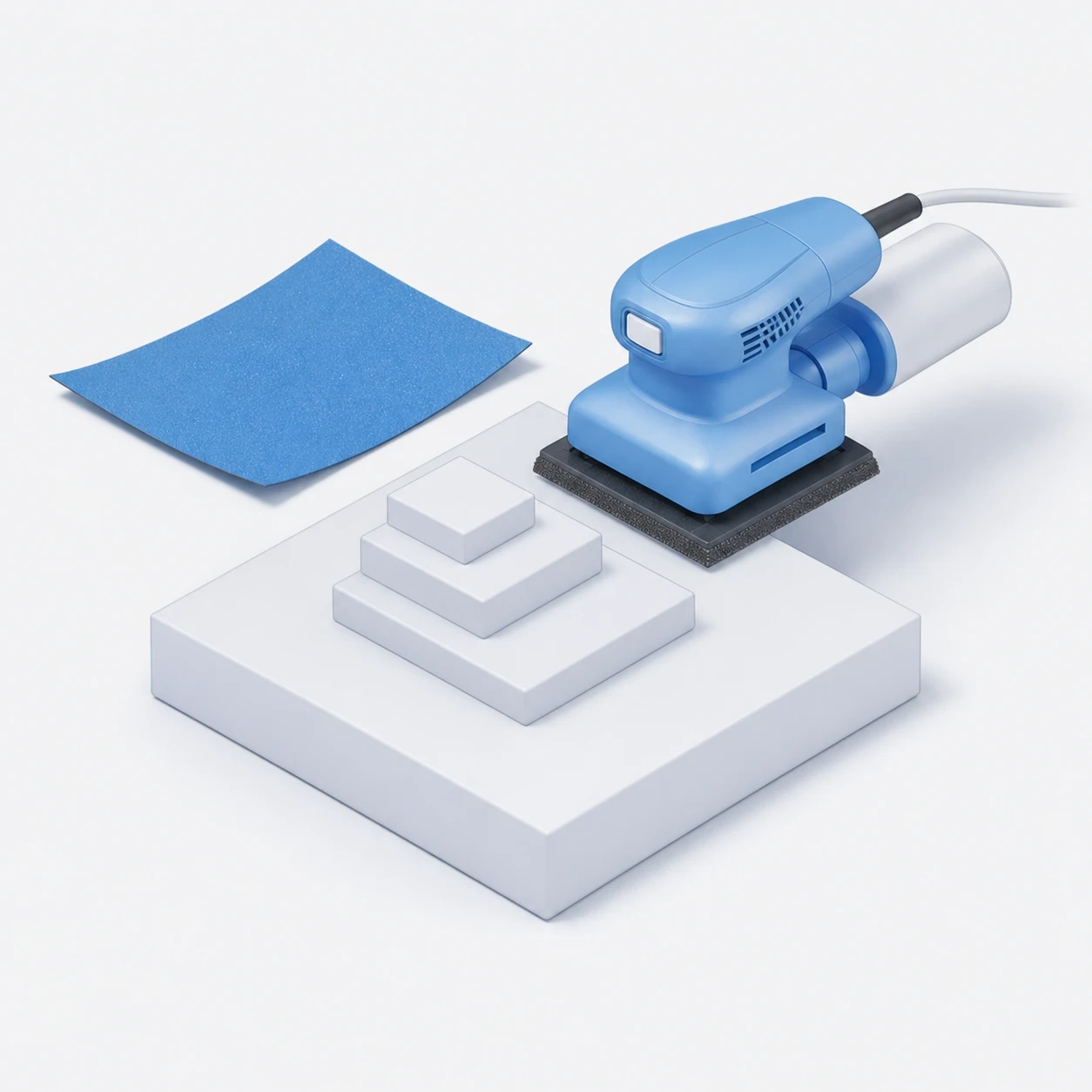
Sanding
The main functions of sanding are to remove support marks and printing defects, reduce layer lines to improve surface smoothness, and prepare the part for subsequent processes.
• Remove support residues to achieve a uniform, smooth surface finish
• Favorable for removing severe layer lines
• Suitable for prototypes and end-use parts
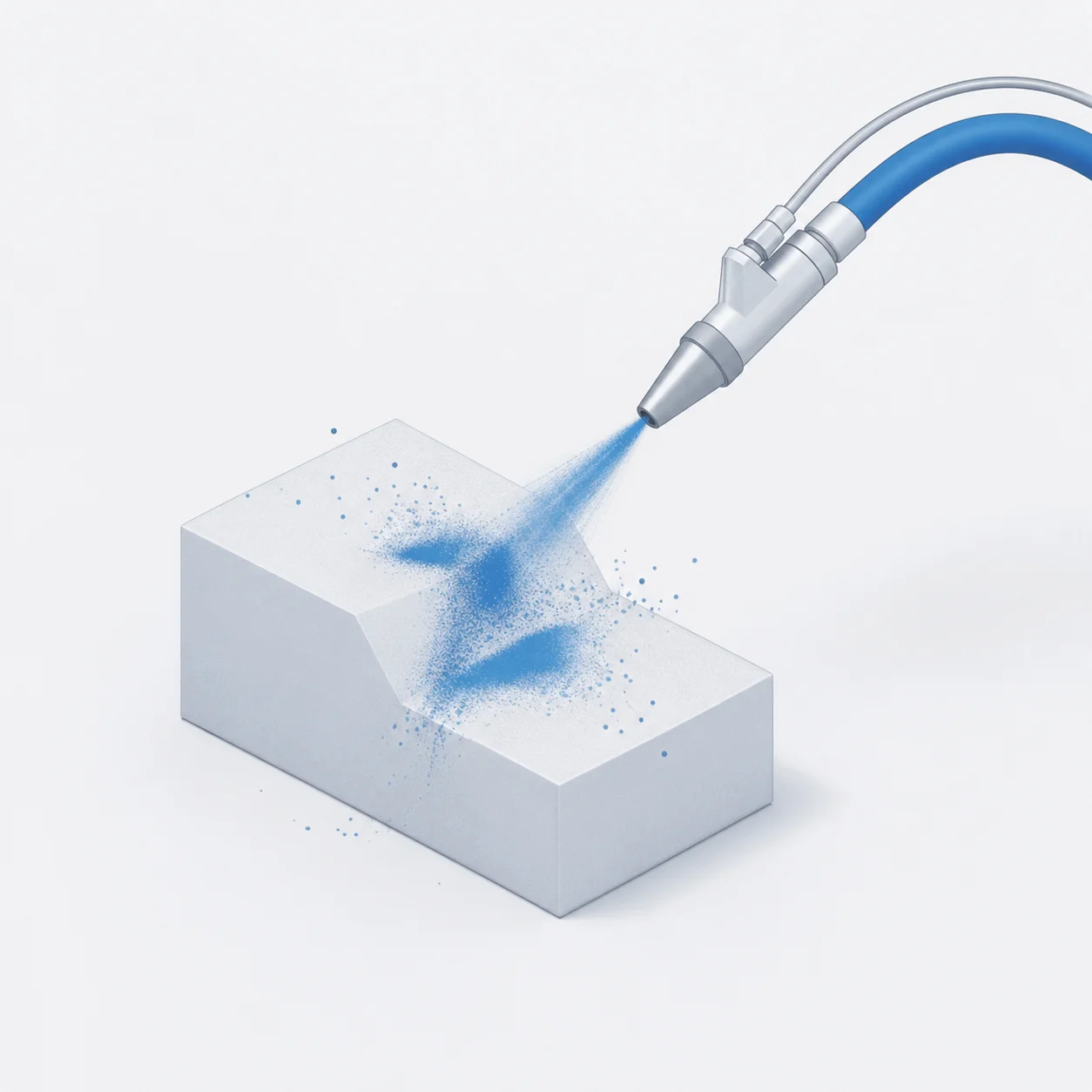
Sandblasting
Sandblasting removes surface imperfections, improves surface consistency, and smooths rough surfaces for a more uniform finish, significantly enhancing the overall appearance and texture.
• Improves surface consistency
• Supports Resins, Nylons, Metals
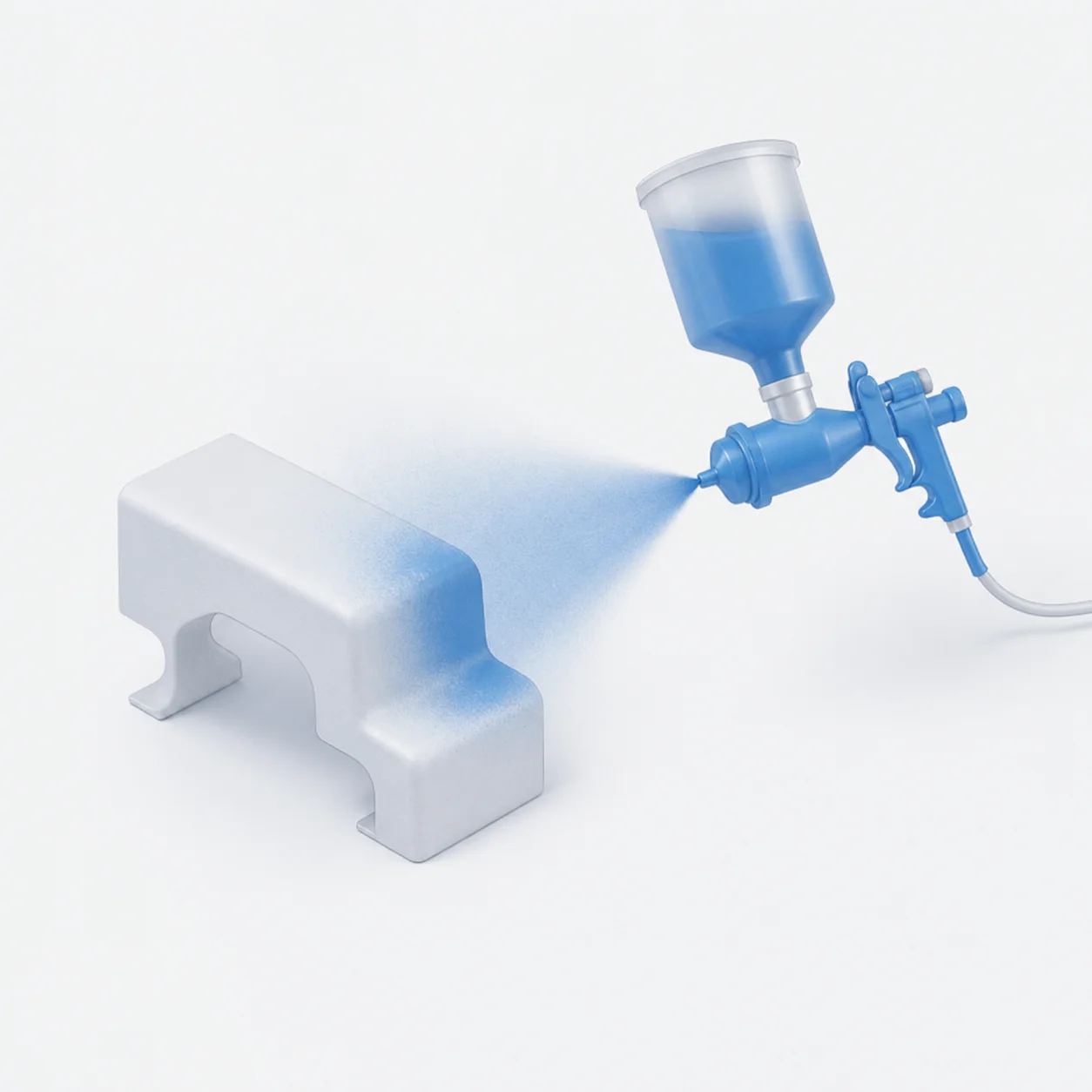
Spray Painting
Painting provides durable, custom color options and adds an aesthetically enhanced visual appeal to a part's surface.
• Durable, custom colors
• Enhanced visual appeal
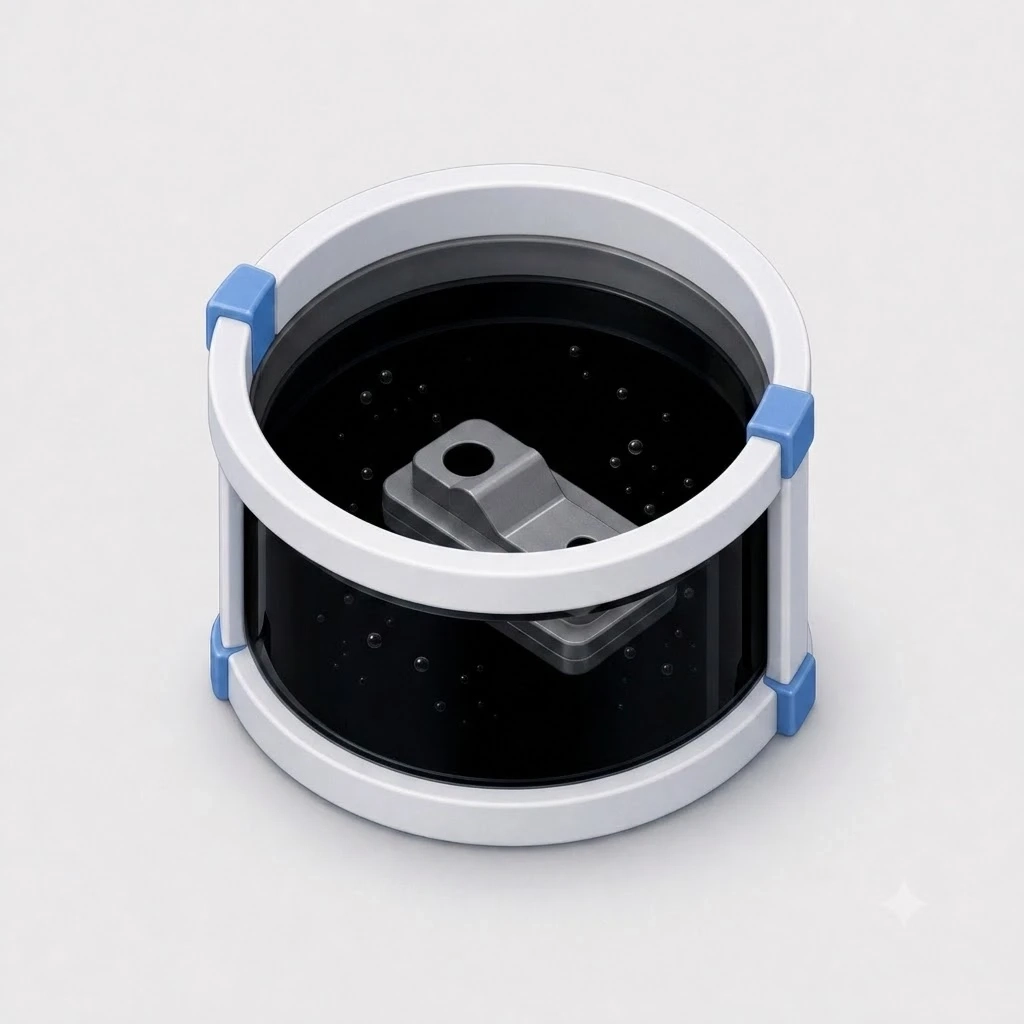
Dyeing
Dyeing utilizes deeper color penetration for a uniform finish that maintains a consistent appearance, even with heavy wear.
• Uniform color penetration
• Suitable for functional parts
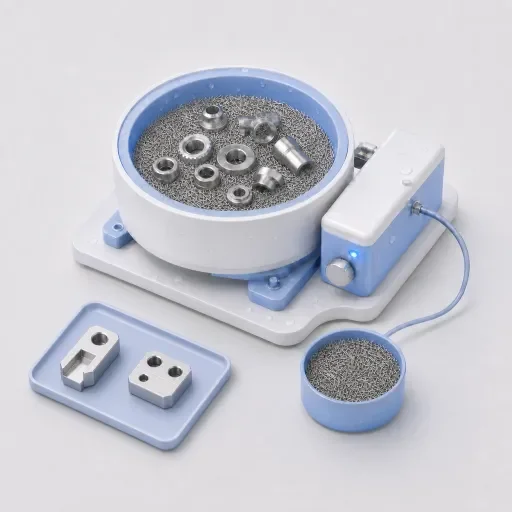
Polishing
Polishing is a surface finishing process that improves surface smoothness and creates a brighter, more refined appearance.
• Enhance surface brightness
• Available for BJ-316L Metal Polishing
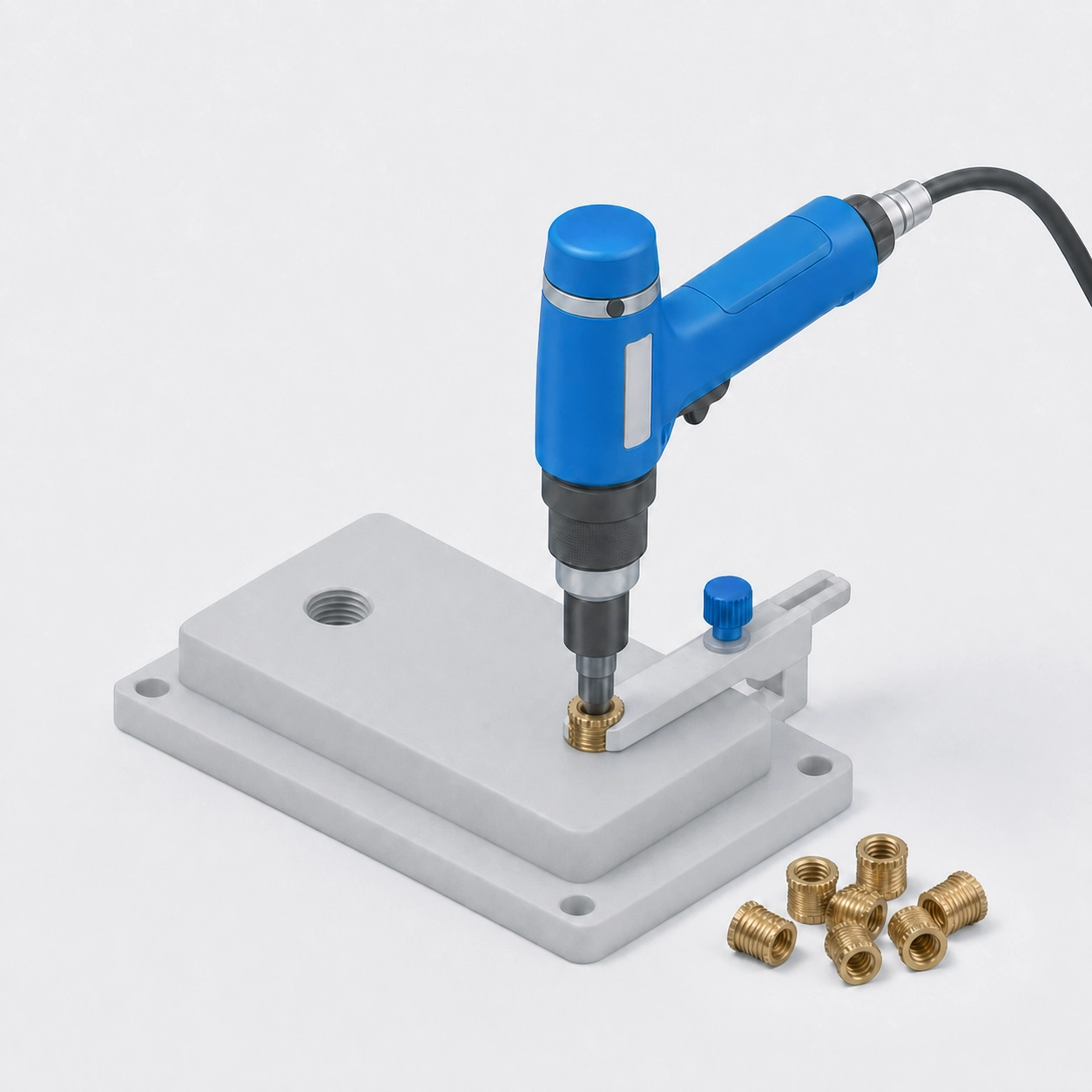
Threaded Insert Service
Threaded Insert Service integrates M3/M4/M5 (8 types) hardware into Resins, Nylons, and Plastics for robust fastening.
• M3/M4/M5 (8 types)
• Supports most Resins, Nylons, Plastics
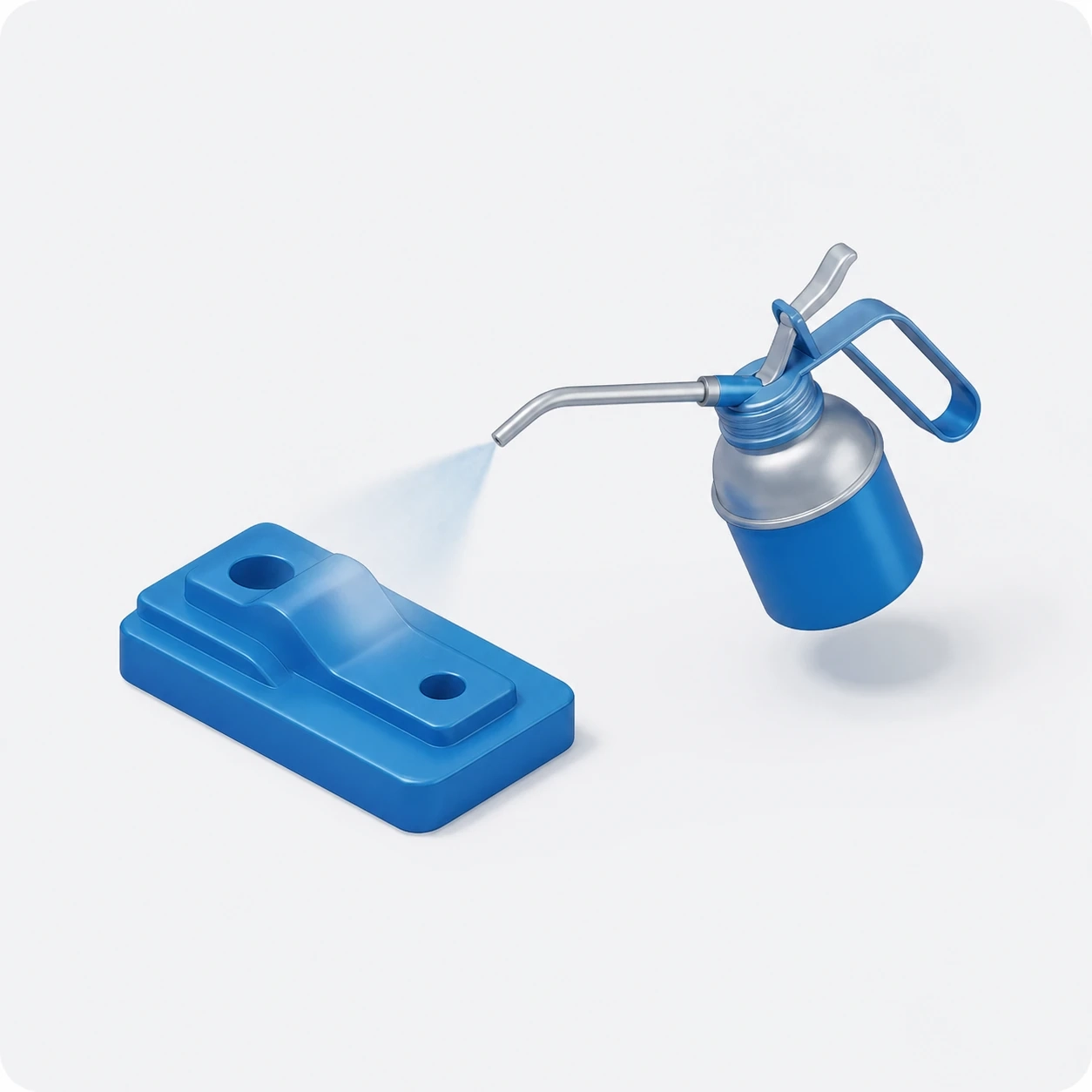
Oil Spraying
Spraying clear coat provides a high-gloss finish on the part surface, while covering minor surface imperfections and enhancing the overall texture and appearance.
• Make the surface glossy with full texture
• Minimize tiny surface defects
• Supports 8001 and Full Color Resins
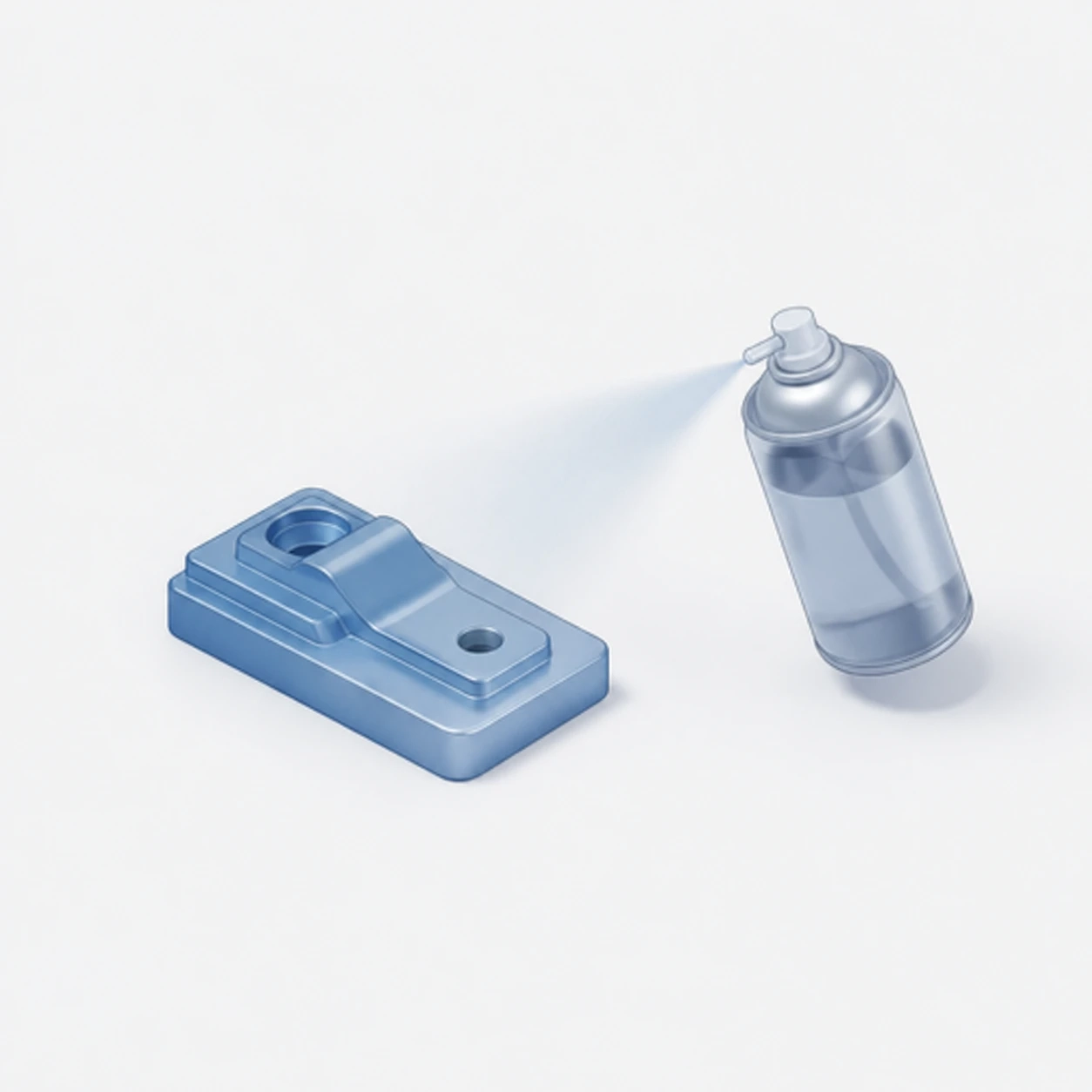
Mineral Oil Spraying
Spraying mineral oil can provide a matte finish to the surface of the part, while reducing minor surface defects, enhancing the overall texture and delivering a smooth, dry touch.
• Provide a soft and glossy finish to the surface
• Supports Black, JLC Black, and Imagine Black Resins
Design Guidelines for 3D Printing
Design Factor | Recommended Value | Why It Matters | Design Tips |
|---|
Minimum Wall Thickness | 0.8 – 1.5mm (depends on process) | Too thin → fragile / print failure | Increase thickness for load-bearing parts |
Assembly Clearance | 0.2-0.5mm | Affects assembly & fit | Add clearance for mating parts |
Minimum Hole Diameter | 1.0mm – 2.0mm (depends on process) | Small holes may shrink or close | |
Depth-to–Diameter Ratio of Hole | 3:1 | Prevent hole clogging and facilitate cleaning | |
Clearance / Gap | ≥0.2 – 0.5mm | Prevents parts from fusing | Increase gap for moving assemblies |
Threads / Fine Details | Not recommended as-printed | Poor accuracy & strength | Use inserts or tapping instead |
Large Flat Areas | Avoid if possible | Warping risk due to shrinkage | Add ribs or curvature |
Uniform Wall Thickness | Strongly recommended | Reduces internal stress & deformation | Keep thickness consistent |
Typical 3D Printing Applications
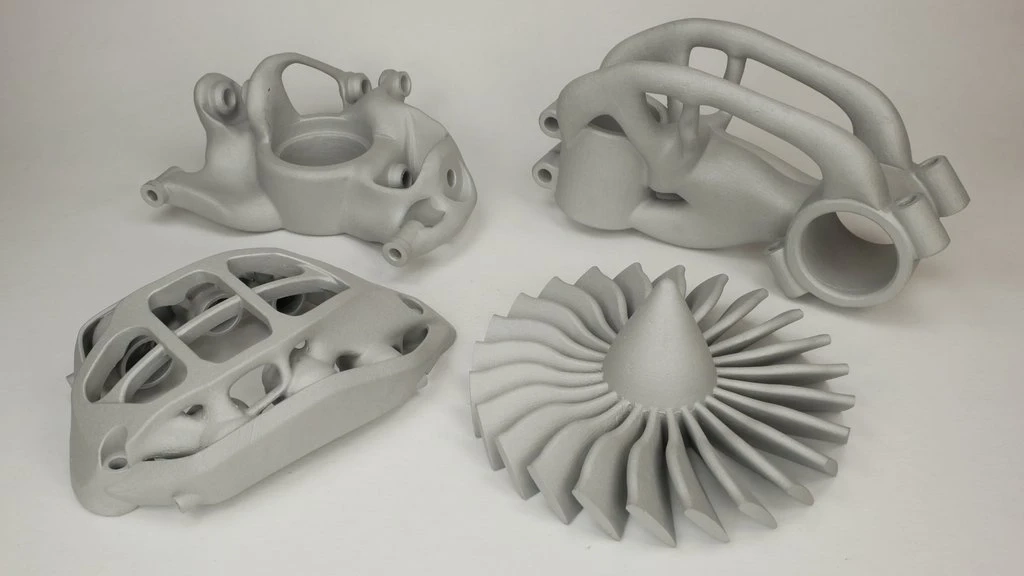
Consumer Electronics
3D printing accelerates product development through functional prototypes, appearance models, and low-volume production of housings, brackets, connectors, and customized accessories before mass manufacturing.
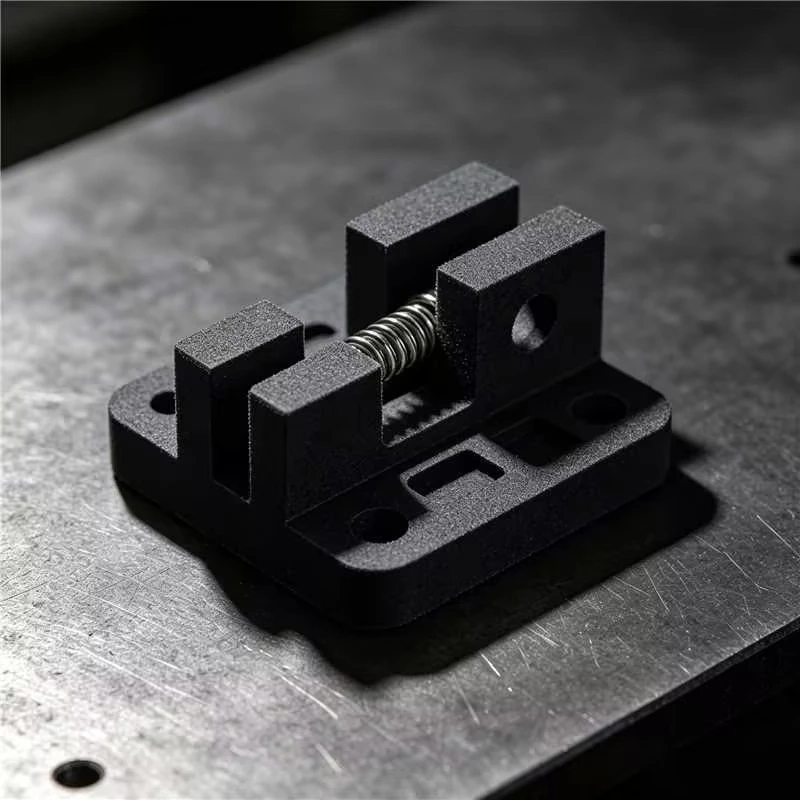
Industrial Automation
Manufacture custom jigs, fixtures, robotic end-effectors, replacement parts, and complex machine components with shorter lead times and greater design flexibility.
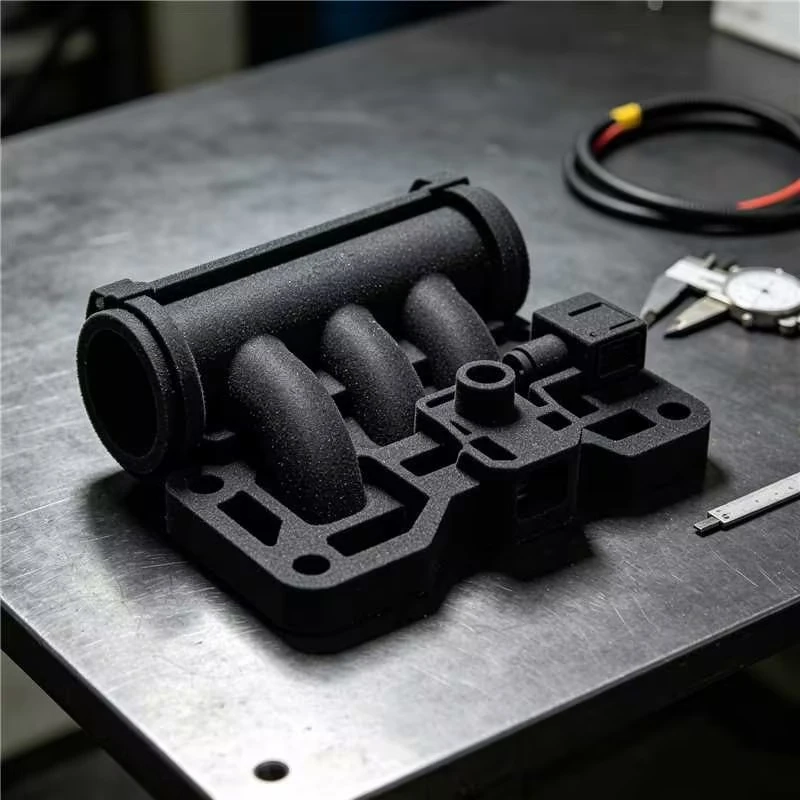
Automotive
Produce concept models, functional prototypes, lightweight components, tooling, fixtures, and low-volume production parts for faster product validation and manufacturing.
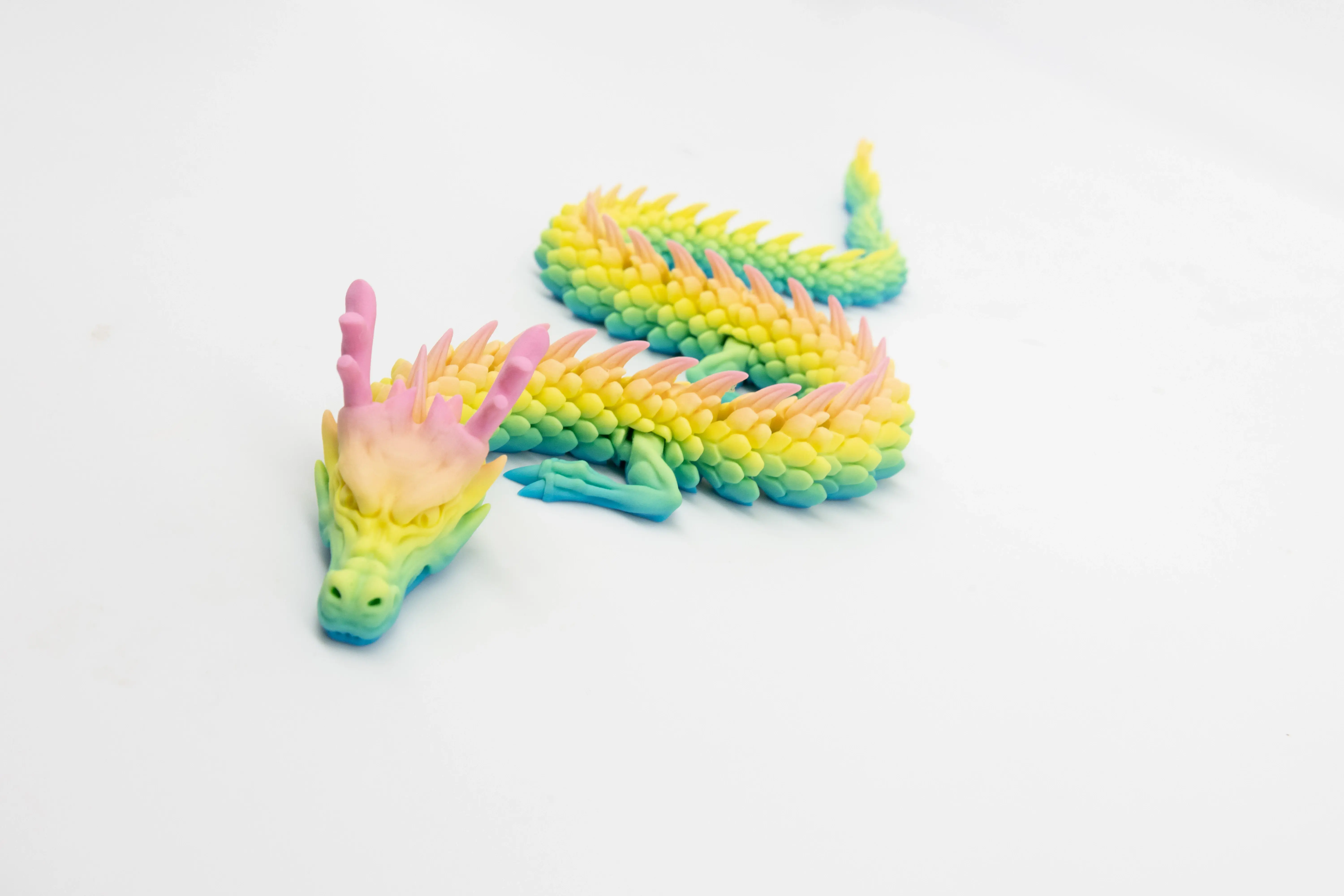
Consumer Products
Produce collectibles, figurines, toys, wearable products, customized accessories, and design models with excellent surface quality and rapid iteration.