Metal 3D Printing Cost Explained: Why Prices Are So High
13 min
- Why Is Metal 3D Printing So Expensive?
- Key Factors That Drive Metal 3D Printing Cost
- The Hidden Cost of Traditional Quoting Models
- How Automated Quoting Reduces Metal AM Cost
- Comparing Cost Structures: Bureau vs Digital-First Model
- Engineering Audit as a Cost Reduction Tool
- FAQ: Metal 3D Printing Cost
Why Is Metal 3D Printing So Expensive?
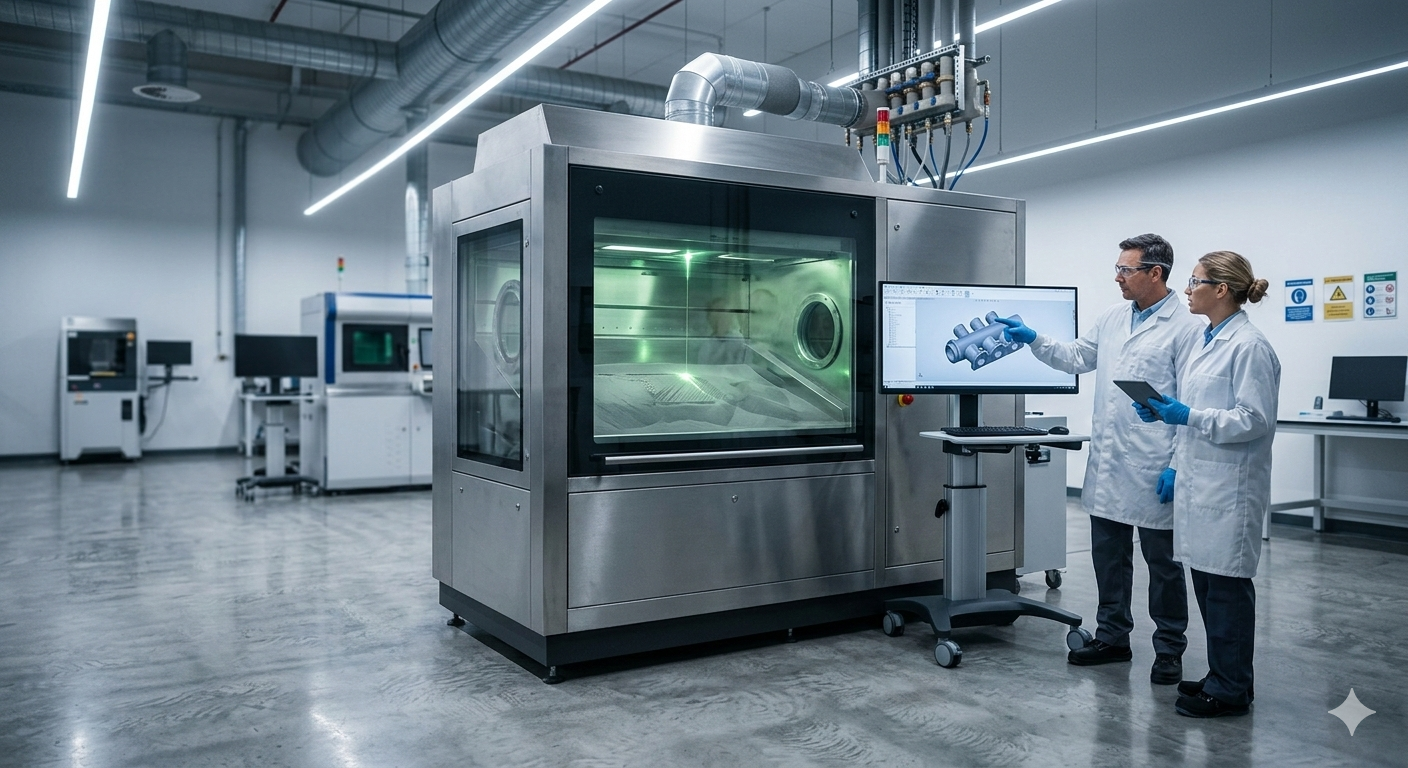
If you’ve ever checked a Metal 3D Printing Price and thought, “Why is this part more expensive than CNC?”, you’re not alone.
The truth is, the cost of metal 3D printing isn’t just about material. It’s a layered pricing model built around machine time, engineering review, powder handling, and post-processing, especially for processes like SLM 3D Printing Service.
Unlike plastic printing, metal additive manufacturing involves:
· Inert gas chambers
• High-powered fiber lasers
• Powder recycling systems
• Stress relief heat treatment
• Support removal and finishing
That infrastructure alone drives up baseline Metal AM Cost before your part even starts building.
Then comes labor.
Add minimum order policies (often $500+), and suddenly even a small Metal 3D Printing Prototype feels out of reach.
Metal AM systems are highly sensitive to build plate utilization. If parts do not efficiently share the build volume, machine amortization spreads across fewer components, increasing the per-part cost. If your part doesn’t efficiently fill the build plate, the machine amortization cost spreads across fewer components, raising your metal printing cost per unit.
If you want to understand the industrial systems behind modern metal AM workflows, explore our breakdown of the top metal 3D printers used in production environments.
Key Factors That Drive Metal 3D Printing Cost
| Cost Factor | Why It Impacts Metal 3D Printing Price |
| Machine amortization | Industrial SLM systems cost hundreds of thousands |
| Engineering review | Manual file checks increase labor hours |
| Post-processing | Heat treatment, support removal, surface finishing |
| Powder material | Titanium and stainless powders are expensive |
| Build density | Low nesting efficiency increases per-part cost |
Material choice dramatically shifts pricing as well.
• Titanium 3D printing cost is typically higher due to powder price and inert handling requirements.
• 3D printing stainless steel cost is often more stable but still process-intensive.
• Aluminium 3D printing cost (or aluminum 3d printing cost) can vary depending on alloy type and distortion control requirements.
• When customers compare 3d print aluminum cost vs machining, the decision often depends on complexity rather than raw material price.
For teams exploring lower-barrier entry options, metal filament systems follow a very different cost structure, which we explain in our guide to metal filament 3D printing.
The key thing most buyers overlook?
A typical metal 3D printing service cost includes:
• Machine time
• Metal powder material
• Build preparation and engineering review
• Post-processing (support removal, heat treatment, finishing)
• Quality inspection
For the typical metal 3D printing service, you’re not just paying for metal! You’re paying for thermal control, laser precision, engineering validation, and risk mitigation.
Engineers looking to bypass traditional delays and errors can upload their CAD or STL files to JLC3DP’s Online Metal 3D Printing Service and receive instant auditing feedback with transparent pricing. Instead of waiting days for a manual review, you can access an Instant Quote Metal AM system designed for fast prototyping and production scheduling, reducing friction while keeping your metal 3d printing service price predictable.

The Hidden Cost of Traditional Quoting Models
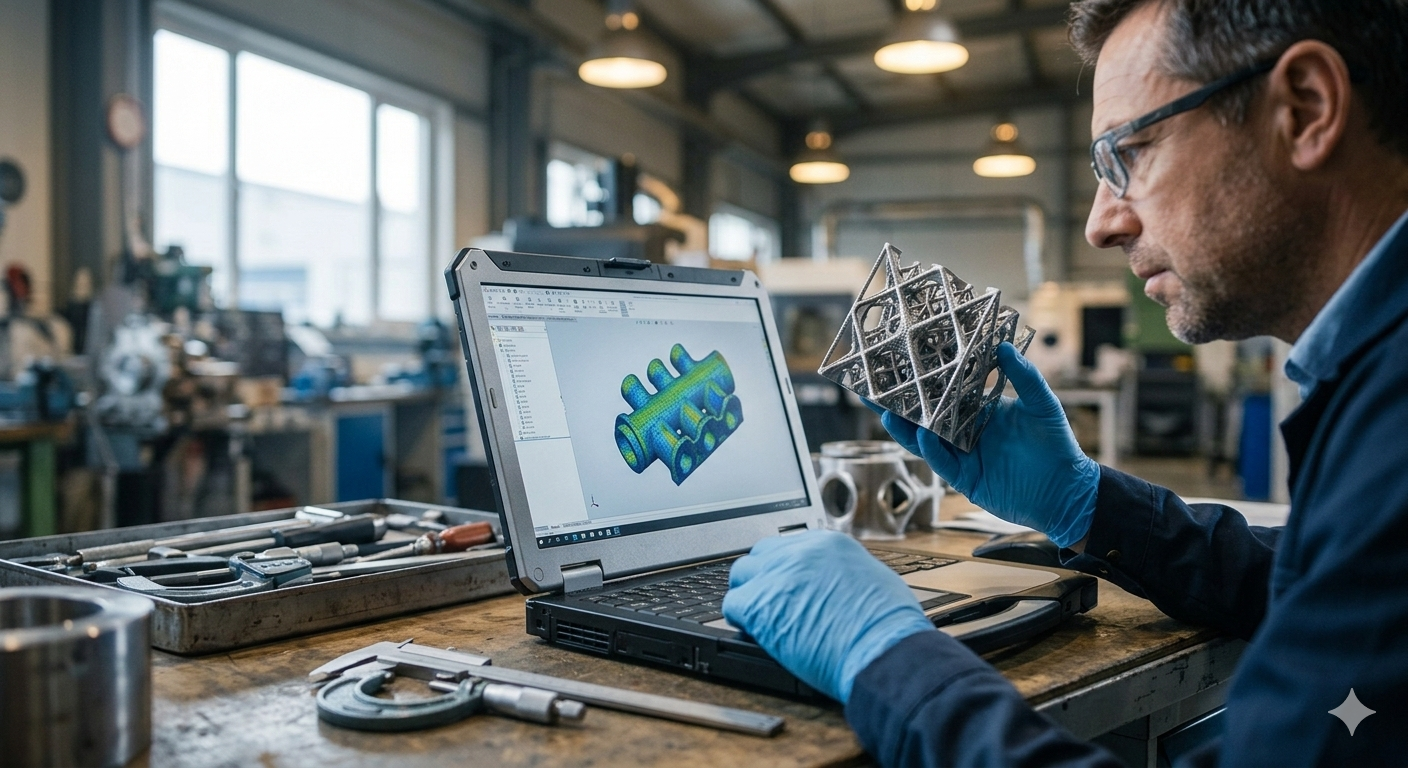
When engineers evaluate Metal AM Cost, they usually focus on material, build time, and post-processing. What often goes unnoticed is how much time and money disappears before production even begins.
Traditional quoting for an SLM 3D Printing Service typically follows a rigid pattern:
Request → Wait → Engineering Review → Requote → Approval → Production
This slows everything down.
The Real Timeline Problem
With many conventional suppliers, a quote request enters a queue. An engineer manually reviews geometry. If wall thickness, overhangs, or support strategies raise concerns, you receive a revised price, or worse, a rejection, days later.
Each iteration resets the clock.
If you’re developing a Metal 3D Printing Prototype, this delay compounds quickly:
• Design v1 submitted Monday
• Feedback Thursday
• Revision Friday
• Requote next Tuesday
• Approval Wednesday
• Production starts the following week
That’s 10–14 days before a laser even fires.
For product teams moving fast, that lag directly inflames overall Metal AM Cost, not because of powder or machine time, but because of stalled development.
Engineering Feedback Bottlenecks
In traditional models, geometry validation happens after submission. That means manufacturability checks for lattice density, minimum feature size, or unsupported spans are reactive instead of proactive.
With SLM 3D Printing Service providers relying on manual auditing:
• Thread distortion risks are flagged late
• Warping risks are discovered post-quote
• Support-heavy builds are repriced after engineering review
Every adjustment changes the metal 3d printing service cost, often unpredictably.
For teams budgeting tightly around metal 3d printing cost, uncertainty is as damaging as high pricing.
Opportunity Cost: The Hidden Line Item
The biggest hidden factor in Metal AM Cost isn’t visible on an invoice.
It’s engineering downtime.
When development engineers wait for quoting cycles:
• CAD revisions sit idle
• Assembly validation pauses
• Test schedules slip
• Market entry shifts
For startups and R&D teams, those delays can exceed the actual metal printing cost of the part itself.
Even enterprise teams feel it. A delayed prototype can hold up tooling decisions, supply chain alignment, or investor milestones.
That’s why the quoting model itself matters.
How Automated Quoting Reduces Metal AM Cost
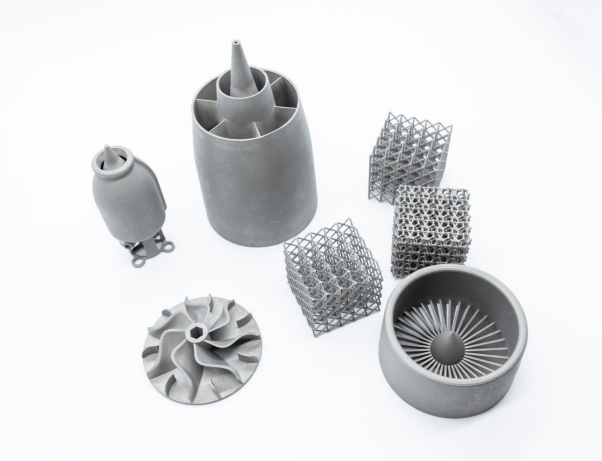
Online platforms offering structured digital workflows reduce friction:
• Automated geometry checks
• Instant DFM feedback
• Real-time pricing updates
• Transparent production timelines
A robotics startup uploads a bracket design to a conventional service bureau for an SLM 3D Printing Service quote.
• Day 1: File submitted
• Day 3: Quote received
• Day 4: Engineer flags unsupported overhangs
• Day 6: Revised geometry submitted
• Day 8: Updated quote issued
• Day 10+: Production slot scheduled
Total time before printing begins: 8–12 days.
Now multiply that across three design iterations.
Even if the actual metal 3d printing cost per part is reasonable, the project timeline stretches by weeks. The hidden Metal AM Cost isn’t the invoice; it’s delayed validation, postponed testing, and idle engineering hours.
This is still how many legacy SLM 3D Printing Service providers operate.
Automated DFM: Cost Control at the Design Stage
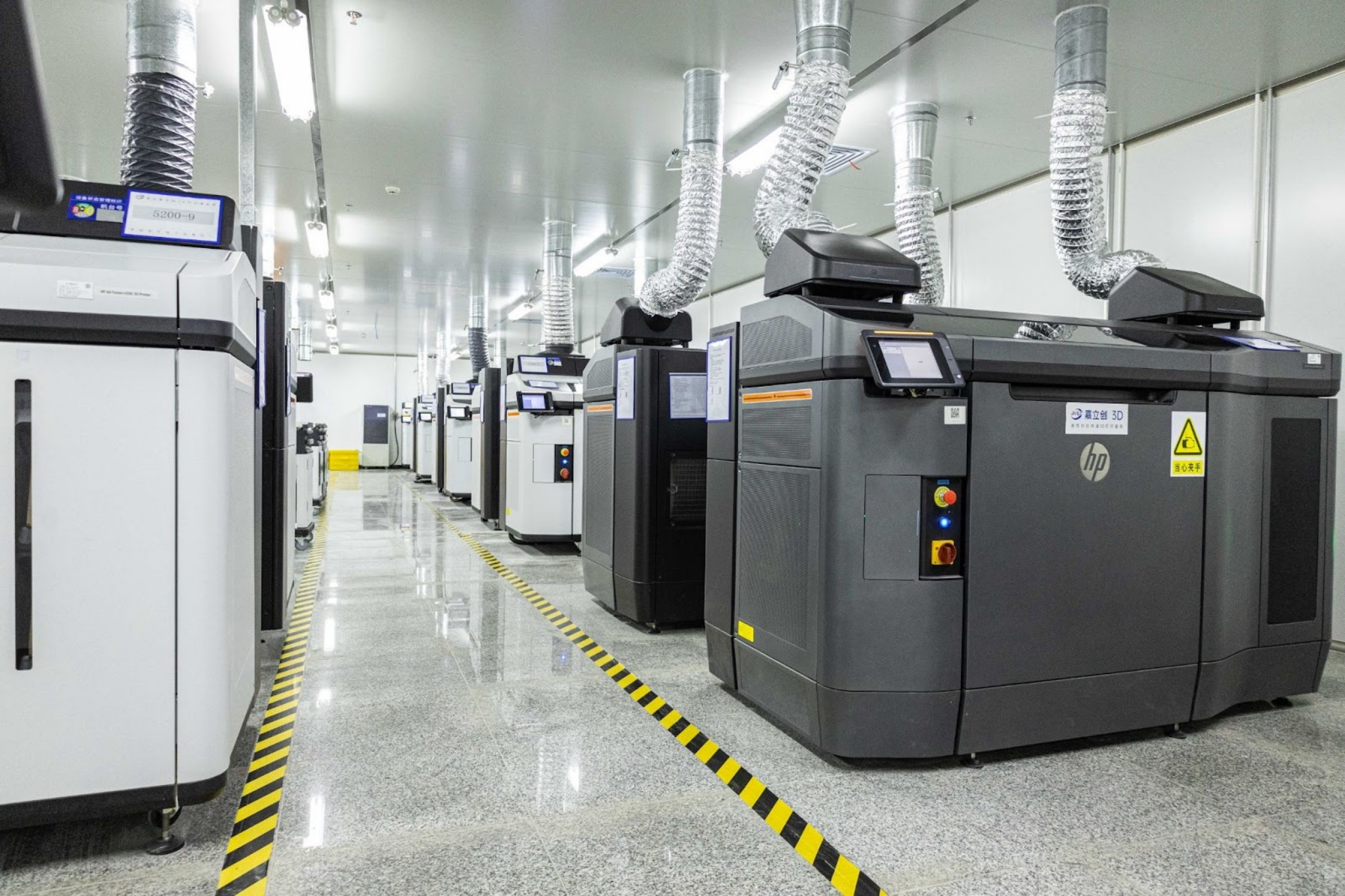
In a traditional workflow, manufacturability feedback arrives after pricing.
In an automated system, it arrives before commitment.
Last year, a small EV startup was developing a lightweight aluminum motor mount for a prototype drivetrain housing.
They needed one functional Metal 3D Printing Prototype for vibration testing.
They sent the file to a traditional bureau.
Two days later, they received a quote.
Two days after that, the bureau’s engineer replied:
Support volume is extremely high. Cost will increase ~22% due to orientation and overhang.
The team hadn’t changed the design. They just didn’t know orientation would affect pricing that much.
So they revised the model. Re-sent it. Waited again.
That entire loop added a week, and pushed their testing schedule back.
The final Metal 3D Printing Price wasn’t outrageous.
The delay was.
End-to-End Digital Workflow = Shorter Lead Time
An integrated Online Metal 3D Printing Service typically includes:
1. File upload
2. Instant audit
3. Real-time pricing
4. Digital order confirmation
5. Automated production scheduling
No manual back-and-forth emails.
No waiting for internal engineering queues.
No opaque repricing.
By removing administrative lag, lead times shrink, sometimes from weeks to days.
And when you’re building a Metal 3D Printing Prototype, speed compounds value:
• Faster validation
• Faster iteration
• Faster certification cycles
The machine time might cost the same.
But the overall Metal AM Cost, including engineering time, opportunity cost, and launch delay, drops significantly.
The Structural Shift
Automation doesn’t make metal additive cheap.
It makes it predictable.
And in advanced manufacturing, predictability is what allows teams to scale, budget, and iterate without fear of hidden quoting friction.
That’s the real cost transformation behind Instant Quote Metal AM platforms.
Comparing Cost Structures: Bureau vs Digital-First Model
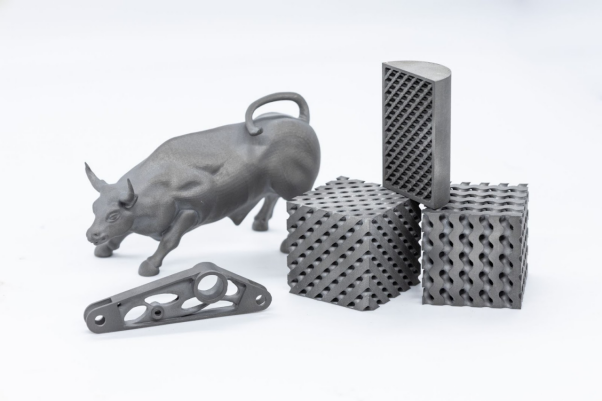
When evaluating Metal 3D Printing Price, most teams compare part cost per unit.
That’s incomplete.
The real difference shows up in workflow friction, iteration speed, and access barriers, especially for a single Metal 3D Printing Prototype.
Here’s a structural comparison:
| Factor | Traditional Metal AM Service | Automated Platform (Digital-First) [JLC3DP] |
| Quote Time | 24–72 hours | Instant |
| Engineering Review | Manual email feedback | Automated DFM + suggestions |
| Minimum Order | Often $500+ | Low / prototype-friendly |
| Lead Time | 7–14 days | ~5 days |
| Iterations | Slow (re-quote cycle) | Fast (real-time updates) |
| Communication | Email back-and-forth | Platform dashboard |
What This Means in Practice
1. Quote Time
A 24–48 hour quote delay may not sound dramatic, until you iterate three times. That’s nearly a week lost before printing even begins. Instant pricing removes that dead time and stabilizes Metal 3D Printing Price expectations early.
2. Engineering Review
Manual review introduces variability. Different engineers may interpret geometry risk differently. Automated analysis standardizes manufacturability checks and surfaces issues (wall thickness, overhangs, unsupported spans) immediately, often with suggested fixes.
3. Minimum Order Barrier
Traditional bureaus often maintain higher minimums because their overhead is manual and consultative. For startups or R&D teams validating a single Metal 3D Printing Prototype, that barrier directly inflates effective Metal 3D Printing Price per iteration.
Lower entry thresholds change experimentation behavior. Engineers test more aggressively when iteration isn’t financially punished.
4. Lead Time
Seven to fourteen days is common in legacy workflows, especially when scheduling depends on batch builds and internal review queues. A shortened ~5-day production cycle reduces validation gaps and compresses development timelines.
Engineering Audit as a Cost Reduction Tool
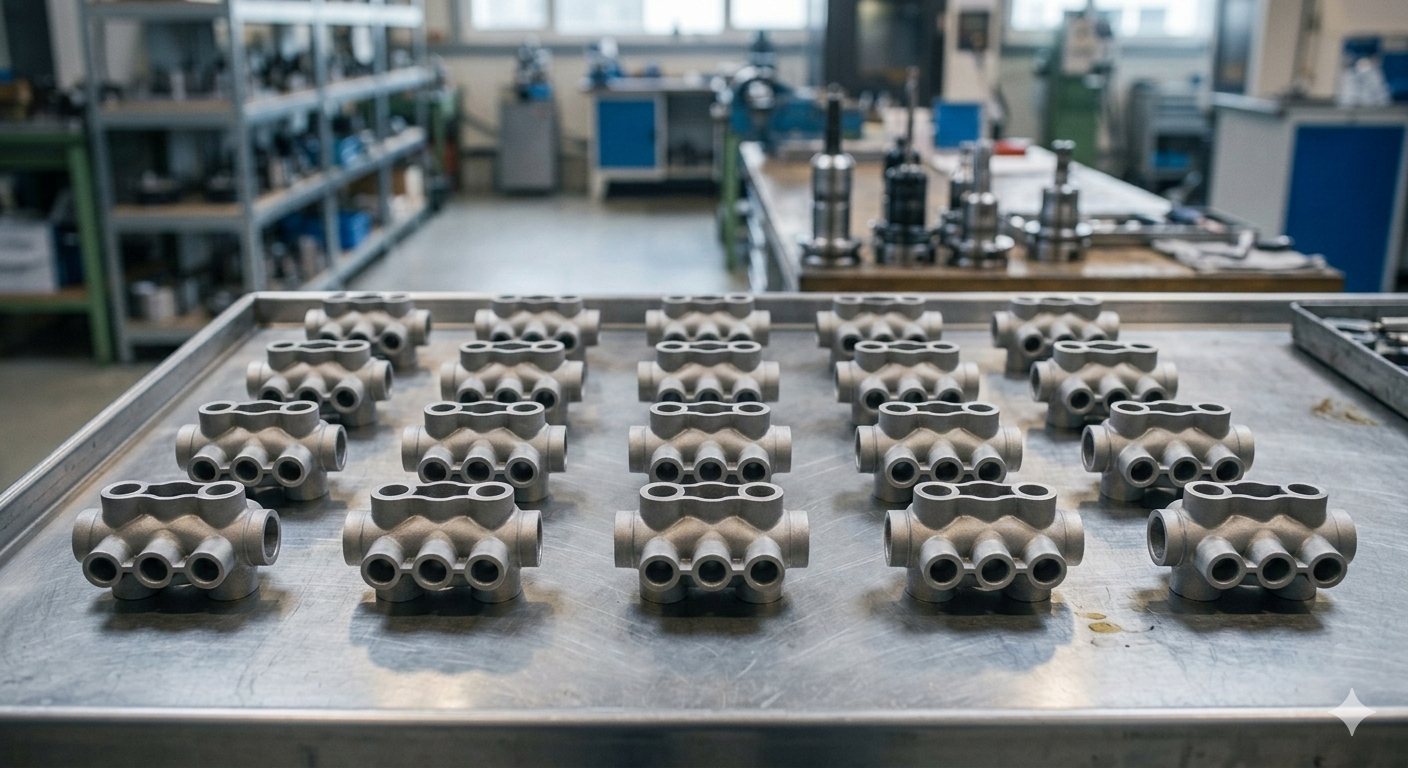
Most teams treat quoting as administrative.
It shouldn’t be.
A proper engineering audit is one of the most direct levers for reducing Metal AM Cost, long before a laser ever fires.
File Audit & Geometry Optimization
An automated file audit does more than check if a file opens.
It evaluates:
· Minimum wall thickness
· Unsupported overhang angles
· Enclosed voids that trap powder
· Sharp transitions that concentrate stress
· Orientation-sensitive distortion risks
In traditional workflows, these issues are flagged manually, sometimes after quoting, sometimes after build preparation.
In a digital-first system, geometry feedback is immediate.
That changes decision timing.
Instead of discovering manufacturability risks after committing to a Metal 3D Printing Price, engineers see cost-impacting geometry issues during upload. Modify the model. Recalculate instantly. No delay loops.
That timing shift alone lowers practical Metal AM Cost across iterations.
If you’re unsure whether your part meets manufacturability thresholds, it’s worth reviewing our detailed guide on metal 3D printing design rules before uploading your file.
Volume Optimization & Support Reduction
Support structures are invisible cost multipliers.
They increase:
· Material consumption
· Post-processing labor
· Build time
· Risk of surface scarring
Automated audit systems can suggest:
· Reorientation to reduce the overhang area
· Self-supporting angle adjustments
· Lattice redesign for weight reduction
· Internal void redistribution
Even a 10–15% reduction in support volume can significantly influence total Metal 3D Printing Price, particularly for aluminum and stainless steel builds where material cost compounds quickly.
Engineers can reduce metal AM cost significantly by following a proper metal 3D printing design guide, especially when optimizing support angles and wall thickness.
Build Plate Aggregation to Save Material & Cost
One of the least discussed contributors to Metal AM Cost is inefficient build plate usage.
Traditional bureaus often schedule jobs based on internal batching cycles. Your part may wait until a plate fills.
A digital system can:
· Automatically aggregate compatible geometries
· Optimize part orientation collectively
· Maximize build density
· Distribute machine amortization across multiple customers
Higher build density = lower effective cost per part.
When amortization spreads across a fuller plate, the final Metal 3D Printing Price per prototype decreases, without changing the part itself.
| Variable | Traditional Bureau Impact | Digital Audit Impact |
| Quote Revision Cycle | 2–3 days per iteration | Instant recalculation |
| Support Volume Visibility | Post-quote discovery | Real-time feedback |
| Geometry Risk Detection | Manual review lag | Immediate automated flag |
| Effective Iteration Cost | High (time + labor) | Lower, predictable |
From Boutique Manufacturing to Scalable Utility
Metal additive manufacturing used to feel like a boutique service.
1. High consultation overhead.
2. High minimums.
3. Long quoting cycles.
4. Opaque cost structures.
Automation changes that equation.
An Online Metal 3D Printing Service transforms metal AM from a specialized outsourcing channel into a scalable engineering utility.
Instead of “requesting a quote,” engineers now:
1. Upload CAD or STL
2. Receive instant audit feedback
3. See real-time pricing
4. Confirm production digitally
That accessibility stabilizes Metal 3D Printing Price expectations and reduces hesitation around iteration. Teams prototype more confidently when cost feedback is immediate and engineering risk is surfaced early.
Not Just Outsourcing: A Digital-First Platform
This shift isn’t about handing work to an external supplier.
It’s about plugging into a digital manufacturing system.
Engineers looking to reduce Metal AM Cost while accelerating development can upload CAD/STL files directly to JLC3DP’s online metal 3D printing service, receive instant auditing feedback, and move into fast production scheduling without traditional quoting delays.
And that’s where modern Metal 3D Printing Price models are heading.
FAQ: Metal 3D Printing Cost
Q1: How much does metal 3D printing cost?
A: Metal 3D printing typically costs $50–$500+ per part, depending on material, part size, and complexity. Stainless steel and aluminum are usually more affordable, while titanium and specialty alloys cost more. Post-processing and build orientation can also significantly affect the final price.
Q2: Why is metal 3D printing expensive?
A: Metal 3D printing requires industrial machines, metal powders, inert gas environments, and post-processing such as heat treatment and support removal. These factors increase both equipment and labor costs compared with plastic 3D printing. Engineering review and build preparation also add to the overall cost.
Q3: Is metal 3D printing cheaper than CNC?
A:It depends on part complexity and production volume. For simple geometries and large production runs, CNC machining is usually cheaper. However, for complex designs, internal channels, or low-volume production, metal 3D printing can be more cost-effective because it eliminates tooling and reduces assembly steps.
Q4: Which metal is cheapest to 3D print?
A: Stainless steel is generally the most affordable metal for 3D printing due to stable powder pricing and reliable processing. Aluminum alloys can also be cost-competitive for lightweight parts. Materials such as titanium or copper typically cost more due to powder handling and processing requirements.
Q5: How can I reduce metal 3D printing cost?
A: Metal 3D printing cost can be reduced by optimizing part orientation, minimizing support structures, and improving build density. Using automated quoting platforms and design-for-AM guidelines can also reduce engineering time and production costs.
Q6: What affects metal 3D printing cost the most?
A: The biggest factors include part size, material type, support requirements, and build plate utilization. Geometry complexity and post-processing can also significantly influence the final price.
Keep Learning
How Much Does 3D Printing Cost? A Complete Breakdown
We get this question a lot at JLC3DP: “How much does 3D printing cost?” And here’s the truth: Some projects can be surprisingly cheap, while others cost more than you’d expect. There’s a myth floating around that 3D printing is basically free once you own a printer. (If only it were that simple, right?) The reality is, whether you’re printing at home or outsourcing to a service like ours, the cost depends on a handful of important factors, machine type, materials, design complexity, and even how much ......
Top 5 3D Printer Tables of 2026: Boosting Your 3D Printing Experience
Choosing the right table for your 3D printer that enhances printing stability, reduces noise, and provides organized storage space is important for achieving high-quality prints and optimizing your workflow. In this guide, we'll look at what makes a good 3D printer table and recommend the best 3D printer tables on the market in 2026. Below are our top five 3D printer tables and stands for 2026, highlighting their features, benefits, and why they might be perfect for your printing space. Best 3D Printe......
Recommended Best Resin 3D Printers in 2024
In recent years, resin 3D printers have developed rapidly in the home 3D printer market. Compared with traditional FDM printing, resin printers can provide higher precision and more delicate printing details. The improvement of printing technology allows users to easily complete the production of high-precision models at home. This article will recommend several of the most competitive resin 3D printers in the 3D printing market in 2024 to help you choose the most suitable equipment and the factors to......
How Much is a 3D Printer? A Comprehensive Guide for Every Budget
3D printing is becoming more and more popular, bringing countless creative and practical possibilities. So how much is a 3D printer? 3D printers have a very wide price range, depending on the printing process, materials, and complexity of the 3D printing solution. This article will analyze the cost of 3D printers based on their type and intended use, helping you find a model that fits your budget. Types of 3D Printers and Their Costs 1. Entry-level 3D Printers ($100 - $500) Entry-level 3D printers are......
Best 3D Printers for Beginners
Embarking on your journey into the world of 3D printing can be both exciting and daunting. With a plethora of options available, choosing the right 3D printer as a beginner is crucial for a smooth transition into additive manufacturing. To simplify your decision-making process, we've curated a list of the top 10 beginner-friendly 3D printers that offer a perfect balance of affordability, ease of use, and quality output. Creality Ender 3 V2 Neo Price: $379.00 Features: Full-metal integrated design, CR ......
Recommended and Purchase Guide for Small 3D Printers in 2024
In previous blog posts, we have introduced many excellent 3D printers on the market. If you are a beginner and want to enter the field of 3D printing, but don’t want to spend too much money or need a large workspace, a small 3D printer is a suitable purchase option. In this article, we will introduce the most recommended small 3D printers in 2024, focusing on their functions and technical features. If you are still in the watch-and-wait stage for 3D printer consumption, it is recommended to use JLC3DP......