Metal 3D Printing: An Overview of The Technology and Its Process
16 min
- What Is Metal 3D Printing?
- How Does It Work?
- Types of 3D Metal Printing at a Glance
- Main Metal 3D Printing Processes
- Metal 3D Printing Materials and Filament Types
- 3D Printer Metal Filament Types
- How to Choose the Right Metal 3D Printing Type
- Metal 3D Printing Surface Finish: Methods and Considerations
- Metal 3D Printing vs. Other Manufacturing Options
- FAQs About Metal 3D Printing
- Metal 3D printing Overview
What Is Metal 3D Printing?
Metal 3D printing, also known as metal additive manufacturing, creates three-dimensional parts by selectively depositing, melting, or bonding metal material layer by layer. Selective Laser Melting (SLM) and Binder jetting (BJ) are two common approaches, alongside DMLS, EBM, and DED.
Compared with conventional manufacturing, metal 3D printing offers greater design flexibility and can produce intricate geometries, customized components, and complex internal features with high precision. Its value is clearest when a part would be difficult, time-consuming, or wasteful to make using traditional methods.
How Does It Work?
Metal 3D printing follows a sequential digital manufacturing process:
- Create a 3D model in CAD software, including data processing steps such as selecting the optimal build orientation and adding support structures.
- Slice the prepared model into thin digital layers.
- Prepare metal powder, wire, filament, or other feedstock.
- The machine builds each layer using the specific mechanism of the selected process, such as melting metal powder, depositing molten metal, or bonding powder with a liquid binder.
- Repeat layer by layer until the object is complete.
- Post-process: support removal, debinding, sintering, heat treatment, surface finishing, or CNC machining.
Different processes use different mechanisms: SLM/EBM melt powder, binder jetting bonds powder with liquid binder, and DED feeds powder or wire into a focused energy source.
Types of 3D Metal Printing at a Glance
| Technology | Main strengths | Important considerations | Typical uses |
|---|---|---|---|
| SLM | Fine features, and strong functional parts | Support structures, residual stress, and post-processing | Aerospace, medical, tooling, and prototypes |
| EBM | Elevated build temperature and reduced residual stress | Vacuum environment and generally rougher surfaces | Titanium aerospace and medical parts |
| DMLS | Detailed parts and compatibility with various metals | Terminology and capabilities vary by supplier | Functional prototypes and small-batch production |
| Binder Jetting | Fast printing and efficient batch production | Debinding, sintering, and shrinkage control | Tooling, jewelry, prototypes, and production parts |
| DED | Large parts, repair, coating, and material addition | Lower resolution and frequent machining | Aerospace, automotive, and energy components |
Main Metal 3D Printing Processes
1Powder Bed Fusion (SLM, DMLS, EBM)
Powder Bed Fusion (PBF) is a metal 3D printing process that uses a high-energy source, such as a laser or electron beam, to selectively fuse metal powder layer by layer. After each layer is processed, a new powder layer is spread across the build platform, and the process repeats until the part is complete. SLM, DMLS, and EBM are common PBF technologies, differing mainly in their energy sources, processing conditions, and material compatibility. For a closer comparison of the two laser-based processes, see our guide to SLM vs. DMLS.
Selective Laser Melting (SLM)
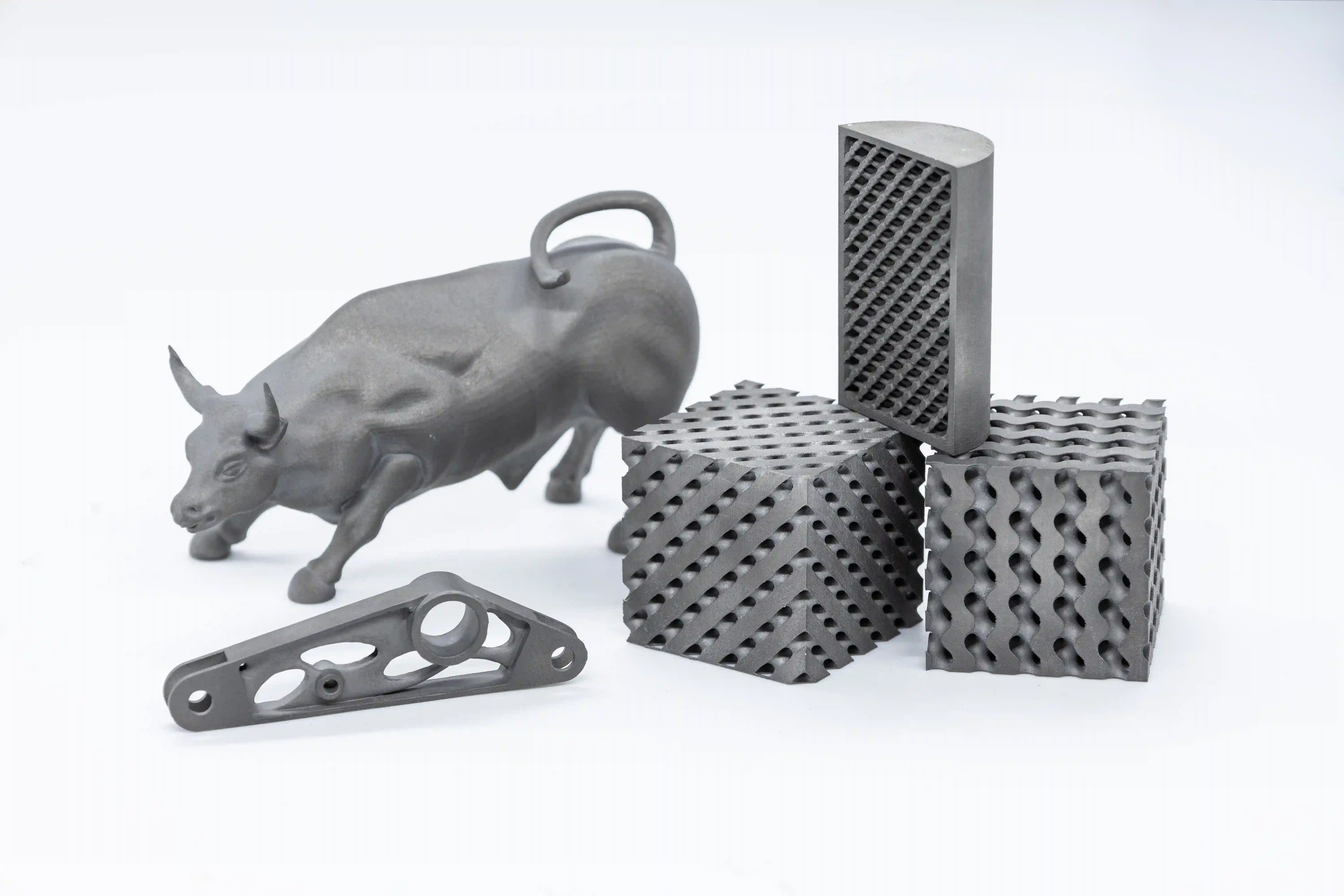
SLM uses a high-power laser to selectively fuse and melt metal powder. A thin powder layer is applied, the laser scans and melts selected regions, the platform lowers, and the process repeats.
(Fig.1: JLC3DP Design Guidelines for SLM)
- Strengths: Dense metal components, strong structural integrity, excellent mechanical properties when material, design, and parameters are matched.
- Materials: Stainless steel, aluminum, titanium, nickel alloys (subject to machine and supplier capabilities).
- Applications: Complex stainless steel parts, aerospace, medical, tooling, prototypes.
Direct Metal Laser Sintering (DMLS)
DMLS is closely related to SLM. Both use a laser to process metal powder layer by layer.
Key correction: DMLS should not automatically be understood as a lower-power or lower-density alternative to SLM. In many modern applications the laser creates substantial or complete melting.
- Benefits: Intricate geometries, range of metal materials, precise prototypes and production parts.
- Evaluation advice: Compare specified material, achievable density, mechanical properties, tolerances, inspection, and post-processing rather than relying on the acronym.
- Applications: Healthcare, automotive, aerospace, rapid prototyping, functional parts, small-batch production.
Electron Beam Melting (EBM)
EBM uses an electron beam instead of a laser, in a vacuum. A focused beam scans and melts the powder bed layer by layer.
- Advantages: High build rates, elevated build-chamber temperature, reduced residual stress, complex geometries.
- Considerations: Surface finish and feature resolution differ from laser-based processes.
- Applications: Titanium components in aerospace and medical manufacturing, selected automotive applications.
2Binder Jetting
Binder jetting selectively deposits liquid binder onto metal powder layers, gluing particles together. The green part then undergoes debinding and sintering; some systems may use infiltration.
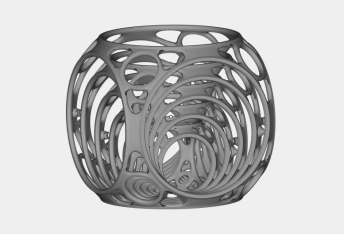
- Advantages: Fast printing, efficient batch production, cost-effectiveness potential, complex shapes, support-free geometries.
- Considerations: Dimensional change during sintering; shrinkage and distortion must be predicted and controlled, so printed parts would require process-specific compensation. Green parts have limited strength and require careful handling. Final density and mechanical properties depend on the material and sintering conditions.
- Applications: Tooling (molds, fixtures, internal channels), jewelry, prototyping, production parts.
3Directed Energy Deposition (DED)
DED precisely deposits metal powder or wire onto a substrate using a focused energy source such as a laser or electron beam.
- Applications: Component repair, protective coating, large near-net-shape structures, adding material to existing parts.
- Materials: Range of metals and alloys depending on equipment and feedstock.
- Trade-off: Lower feature resolution and rougher as-built surface; critical surfaces often require CNC machining.
- Industries: Aerospace, automotive, energy.
4Material Extrusion (Bound-metal)
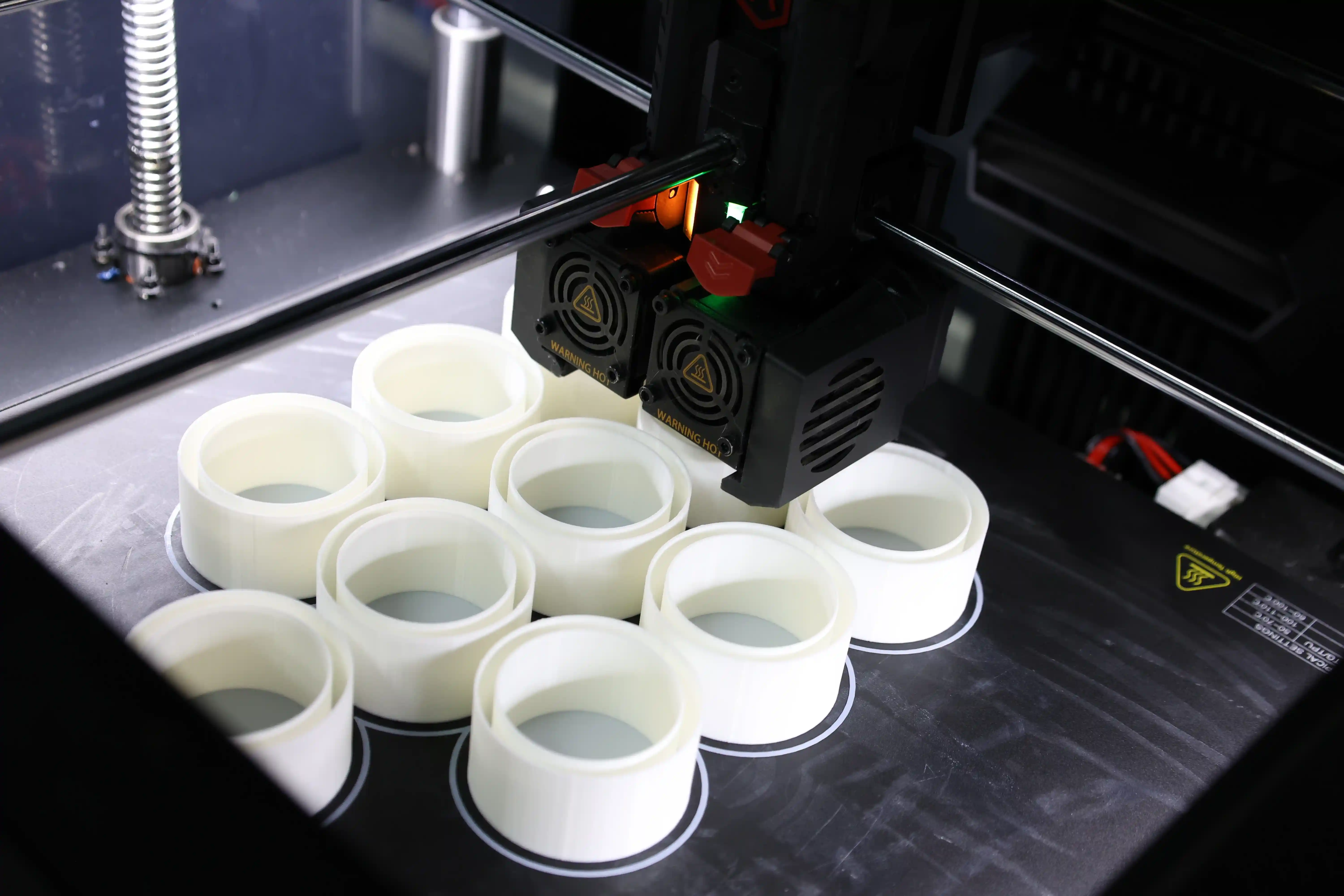
Material extrusion is a metal 3D printing method that uses filament containing metal powder and a polymer binder.
- Advantages: Uses filament-based extrusion equipment, offers relatively accessible metal part production, and supports complex geometries without the need for a powder bed system.
- Considerations: Requires specialized debinding and sintering processes, careful shrinkage compensation, and additional equipment. Final dimensional accuracy, density, and mechanical properties depend on the material, process parameters, and sintering conditions.
- Applications: Functional metal prototypes, small metal components, tooling, and low-volume production parts.
Metal 3D Printing Materials and Filament Types
The materials used in metal 3D printing vary depending on the printing technology. They include metal powders, metal wires, and metal-containing filaments.
Common Metal Materials for 3D Printing
| Material | Key Properties | Typical Applications | Available at JLC3DP |
|---|---|---|---|
| Stainless Steel (316L) | Corrosion resistance, strength, and ductility | Industrial parts, medical components | Yes (SLM / BJ) |
| Aluminum Alloy (6061) | Lightweight, good strength-to-weight ratio, thermal conductivity | Aerospace, automotive, thermal components | Yes (SLM) |
| Titanium Alloy (TC4) | High strength-to-weight ratio, corrosion resistance | Aerospace, medical | Yes (SLM) |
| Nickel Alloys | High-temperature strength and oxidation resistance | Aerospace, energy | Not currently listed |
| Tool Steel | Hardness and wear resistance | Molds, dies, tooling | Not currently listed |
| Copper Alloys | High thermal and electrical conductivity | Heat exchangers, electrical components | Not currently listed |
Metal Material Selection Tip
- Stainless Steel (316L): Choose it for parts requiring corrosion resistance, strength, and durability.
- Aluminum Alloys: Suitable for lightweight components where weight reduction and thermal conductivity are important. Torn between the properties of aluminum alloy and stainless steel? Check out our Stainless Steel vs. Aluminum guide to choose the best fit for your project.
- Titanium Alloys: Ideal for applications requiring high strength-to-weight ratios and corrosion resistance.
- Nickel Alloys: Best suited for high-temperature and demanding environments.
- Tool Steel: Consider it for tooling, molds, and dies that require hardness and wear resistance.
- Copper Alloys: A good choice for components requiring high thermal or electrical conductivity.
3D Printer Metal Filament Types
Not all metal 3D printing filaments produce real metal parts. Some produce only metal-like finishes, while others convert the printed part into real metal parts. Understanding the difference is important when choosing a metal filament for your application.
| Comparison | Metal-filled | Bound-metal |
|---|---|---|
| Base material | Metal + polymer | Metal powder + binder |
| Post-processing | Usually polishing | Debinding and sintering |
| Final structure | Metal-polymer composite | Sintered metal |
| Typical use | Decorative parts | Functional metal components |
1Bound-metal Filament
It contains metal powder in a binder system. After printing, the green part is debound and sintered to produce a metal part. Requires compatible materials, shrinkage compensation, and post-processing equipment. May include stainless or tool steel grades.
2Metal-filled 3D Printer Filament
It combines metal particles with a polymer such as PLA. Runs on many standard FDM/FFF printers. The result is a metal-polymer composite, not fully dense metal. Common options: stainless steel, copper, bronze, brass-filled. Chosen for metallic appearance, weight, texture, or decorative finish.
- Practical note: These filaments can be abrasive; use a wear-resistant nozzle and appropriate settings. Check the datasheet to determine whether the filament is a composite or part of a debinding-and-sintering workflow.
- Most brass 3D printer filament products contain brass particles dispersed in PLA or another polymer. They produce a brass-like appearance and can be polished.
- The printed part is usually a composite, not solid brass. Do not automatically expect solid-brass strength, conductivity, heat resistance, or corrosion behavior.
- Best suited to decorative models, display objects, replicas, and non-critical prototypes—not load-bearing engineering components.
Metal filament Printing Alternatives
FDM metal filament printing is still evolving, with limitations in process maturity and production consistency. JLC3DP focuses on proven industrial 3D printing solutions to ensure reliable part quality. While we do not currently offer FDM metal filament printing, our high-performance FDM materials such as PEEK and PEKK, offer lightweight alternatives to metal for applications requiring high strength and heat resistance.
How to Choose the Right Metal 3D Printing Type
1Start with the material and performance requirements
Define the alloy, strength, fatigue behavior, corrosion resistance, conductivity, and operating environment first. A geometry can sometimes be printed by several processes while only one route meets the final material specification.
2Match the process to the geometry
PBF is often selected for intricate internal channels and lattice structures. DED is better aligned with large features and repair work. Binder jetting and material extrusion require particular attention to sintering behavior, while sheet lamination and material jetting serve more specialized geometries.
3Consider production volume
A one-off functional prototype, a batch of small parts, and a large component repair have very different economics. Compare printing, material consumption, furnace capacity, labor, machining, inspection, and expected yield rather than printer speed alone.
4Include post-processing in the budget
Support removal, debinding, sintering, heat treatment, machining, surface finishing, and inspection can materially affect cost and lead time. The least expensive printing step does not necessarily produce the least expensive finished part. Learn more in our guide to metal 3D printing cost.
Metal 3D Printing Surface Finish: Methods and Considerations
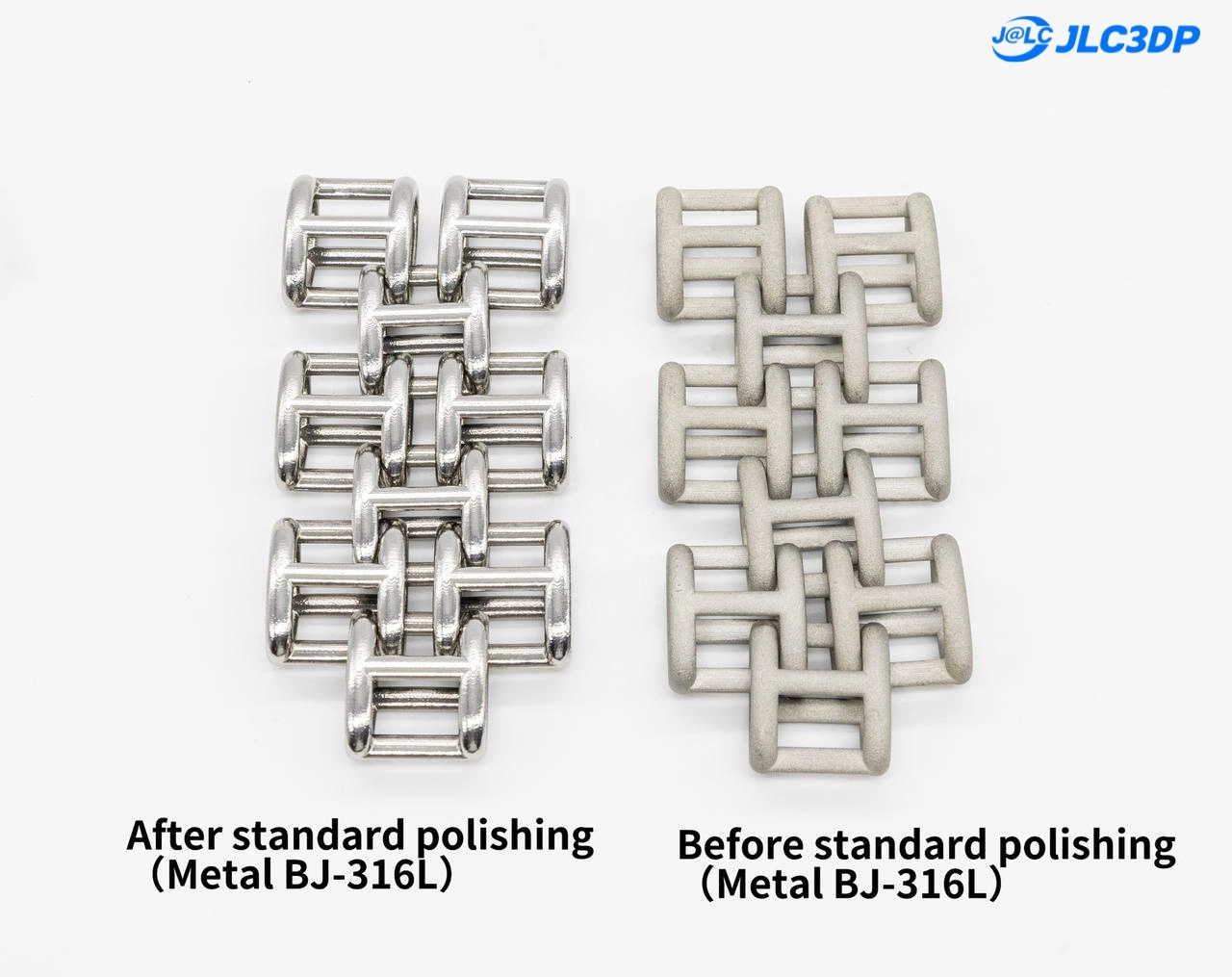
Metal 3D printed parts require different metal surface treatments depending on their use and desired results. Some parts need polishing to achieve a smoother and uniform surface, while others require anodizing to improve its appearance colors. Grinding can help remove surface irregularities and improve dimensional accuracy, while heat treatments such as annealing can relieve residual stress and improve material stability. The right finishing process depends on the material, part geometry, and application.
Common Metal 3D Printing Surface Finishing Methods
Metal 3D printed parts require different metal surface treatments depending on their use and desired results. Common options include sanding, sandblasting, polishing, anodizing, and heat treatment. The appropriate finishing method depends on the material, part geometry, and intended application. For more details, see our guide to 3D Printing Post-Processing.
| Method | Purpose | Typical Applications | JLC3DP Availability |
|---|---|---|---|
| Sandblasting | Removes residual powder and surface contaminants, improving surface consistency and creating a uniform matte finish | General surface cleaning and matte surface finishing | Available |
| Sanding | Removes scratches, support marks, and minor surface imperfections to create a smoother, more uniform texture and prepare the surface for further finishing | Surface refinement and preparation for polishing or coating | Available |
| Polishing | Reduces surface roughness and improves smoothness, brightness, and visual appearance | Visible surfaces and parts requiring a smoother, more refined finish | Available (BJ-316L) |
| Tumbling | Smooths edges, removes burrs, and reduces minor surface imperfections through abrasive media | Small parts and batch finishing | Coming Soon (316L) |
| CNC Machining | Removes material to achieve tighter dimensional tolerances and precise surface finishes | Mating surfaces, holes, threads, and precision features | Unavailable |
| Anodizing | Forms a protective oxide layer on aluminum parts, improving corrosion resistance and providing different colors and surface appearances | Aluminum components requiring decorative finishes and additional corrosion protection | Coming Soon (Aluminum 6061) |
| Heat Treatment | Modifies material properties, such as hardness, strength, and ductility, through controlled heating and cooling | Functional metal components requiring specific mechanical properties | Available upon request (depends on material) |
Note
The suitable post-processing methods depend on the metal material, printing technology, part geometry, and application. Not all treatments are compatible with every metal alloy. For example, anodizing is primarily used for aluminum parts.
Metal 3D Printing vs. Other Manufacturing Options
There is no one-size-fits-all manufacturing solution. Metal 3D printing is not always the best choice, as other 3D printing materials or conventional methods like CNC machining may be more suitable depending on the part's functional requirements, design complexity, material properties, and production needs. Understanding the differences can help you select the most appropriate option for your project.
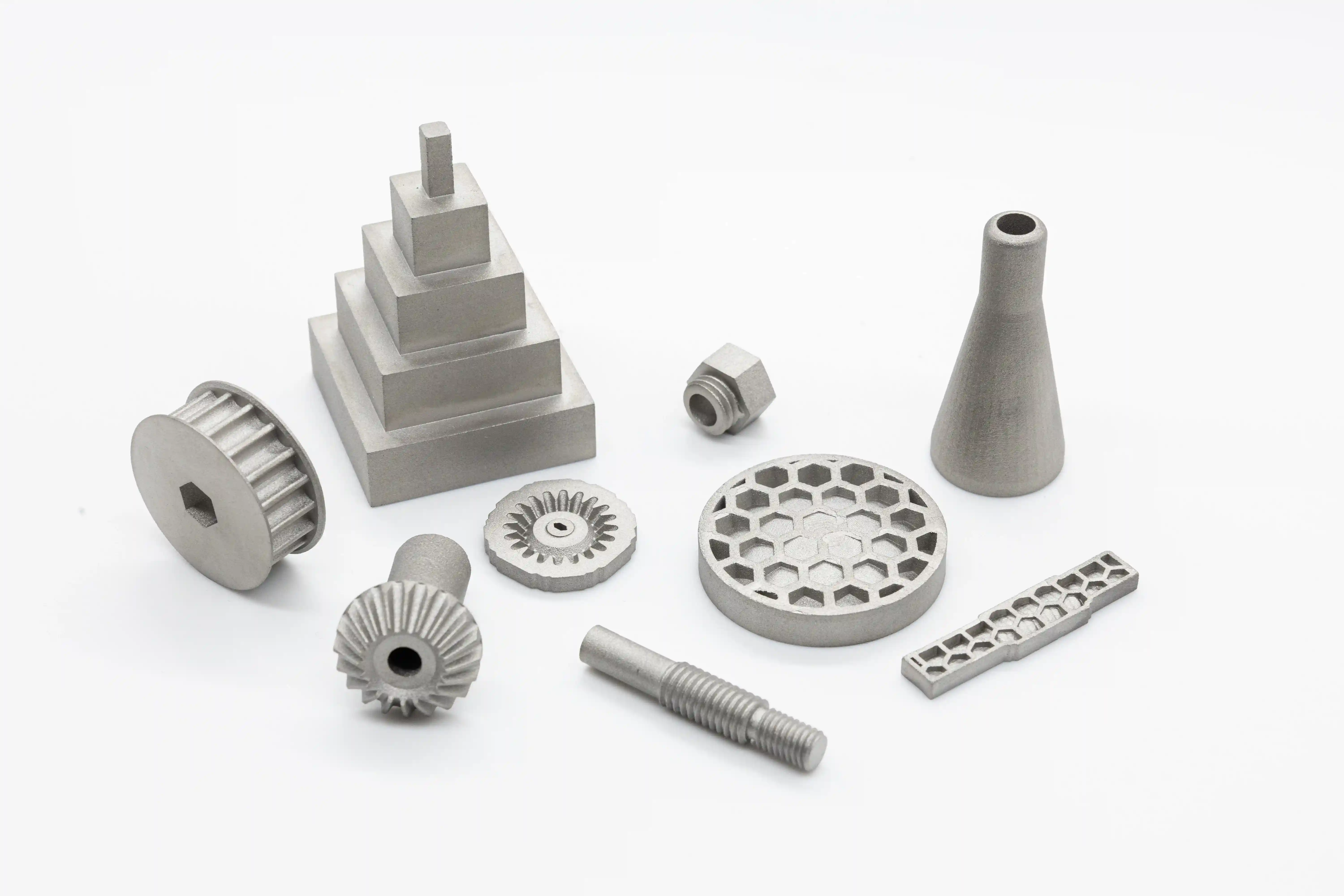
Metals vs. Resins vs. Plastics vs. Nylons 3D Printing
| Comparison | Metals | Resins | Plastics (PLA, ABS, ASA) | Nylons |
|---|---|---|---|---|
| Typical Processes | SLM, Binder Jetting | SLA, WJP | FDM | SLS, MJF |
| Strength & Stiffness | Generally high, depending on alloy and process | Varies by formulation; standard resin can be brittle | Suitable for light-duty parts | Good toughness and impact resistance |
| Heat Resistance | Generally high, depending on alloy | Varies by resin type | Relatively low | Moderate; varies by grade |
| Surface Quality | Depends on process and post-processing | Smooth, fine details | Visible layer lines | Typically uniform, slightly textured |
| Weight | High density | Low | Low | Low |
| Cost | Generally higher | Varies by resin and part size | Generally low | Moderate to high |
| Typical Applications | Structural parts, tooling, industrial components | Detailed models, visual prototypes, precision parts | Concept models, appearance prototypes | Functional prototypes, housings, mechanical parts |
When Should You Choose Each Material?
- Metals: For parts requiring high stiffness, structural strength, high-temperature resistance, or specific metal properties.
- Resins: For models requiring fine details, smooth surfaces, and high dimensional accuracy.
- Plastics (PLA, ABS, ASA): For cost-effective concept models and visual prototypes with limited mechanical or thermal requirements.
- Nylons: For functional parts requiring toughness, impact resistance, wear resistance, and lightweight construction.
Metal 3D Printing vs. CNC Machining
Metal 3D printing and CNC machining are two widely used methods for manufacturing metal parts, but they differ in how material is processed. Metal 3D printing builds parts layer by layer, while CNC machining removes material from solid metal stock.
| Comparison | Metal 3D Printing | CNC Machining |
|---|---|---|
| Manufacturing Method | Builds parts layer by layer | Removes material from solid metal stock |
| Design Complexity | Supports complex geometries, internal channels, and lattice structures | Better suited to geometries accessible to cutting tools |
| Material Utilization | Can reduce material waste for complex parts | Generates material waste through cutting |
| Dimensional Accuracy | Depends on the printing process; critical features may require CNC finishing | Generally offers tight dimensional tolerances |
| Surface Finish | Often requires post-processing | Can achieve smooth finishes through machining |
| Cost | Generally higher for simple parts, but can be competitive for complex geometries and low-volume production | Often more economical for simple geometries and larger production volumes |
| Typical Applications | Complex prototypes, lightweight structures, and customized components | Precision components, mechanical parts, and production parts |
Cost also varies with part geometry and production volume. CNC machining is often more economical for simple parts and larger batches, while metal 3D printing can offer cost advantages for complex designs that require extensive machining or multiple setups.
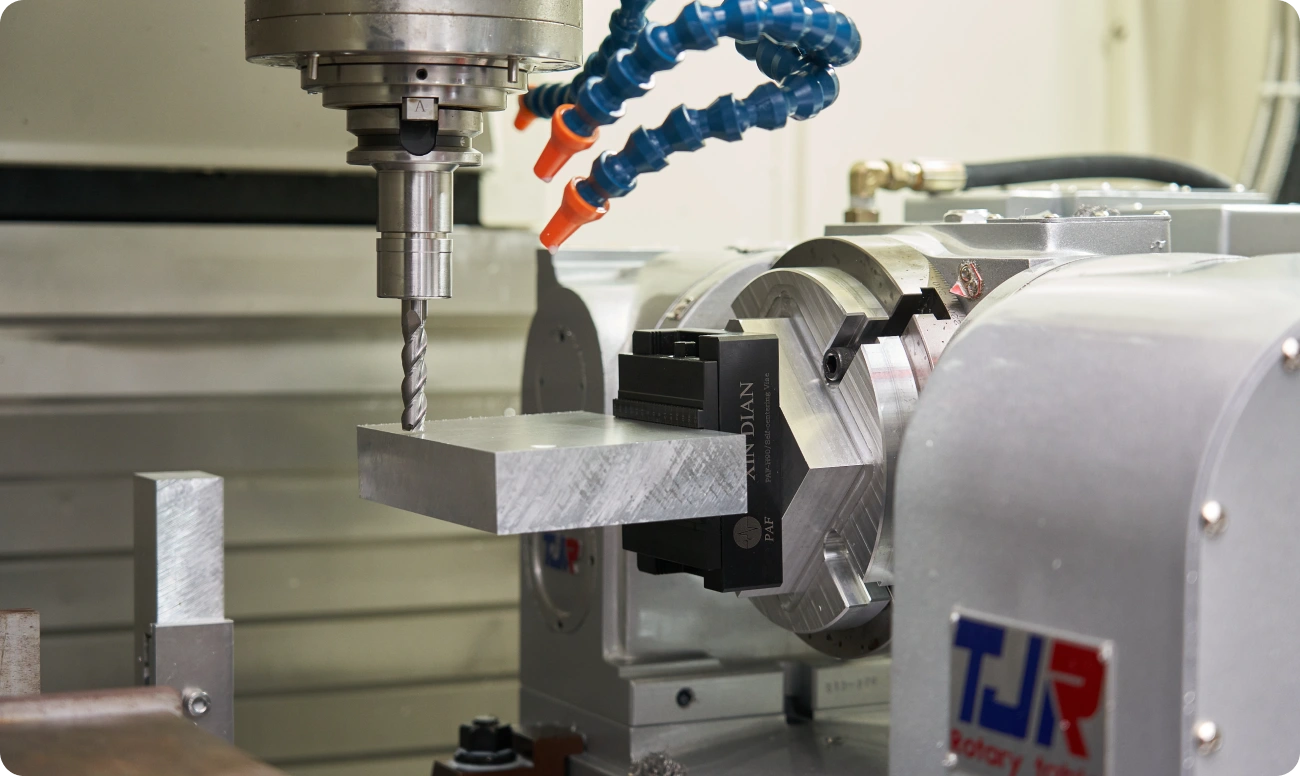
Which Should You Choose?
Metal 3D printing is ideal for complex geometries, internal structures, and customized parts, while CNC machining is often preferred for tighter dimensional tolerances, smoother surface finishes, and relatively simple geometries. Whichever manufacturing method your project requires, JLC3DP offers manufacturing solutions to meet your needs. Explore our manufacturing capabilities to find the right process for your parts.
FAQs About Metal 3D Printing
Q: What are the main types of metal 3D printing?
The six broad categories are powder bed fusion, directed energy deposition, binder jetting, material extrusion, sheet lamination, and material jetting. SLM, DMLS, and EBM are specific processes within powder bed fusion rather than three completely unrelated categories.
Q: What is the difference between SLM and DMLS?
Both use a laser to process metal powder layer by layer. The terminology varies by manufacturer, and modern DMLS is not always limited to partial sintering. Compare the actual material data, density, properties, and quality controls instead of relying only on the process name.
Q: Can a regular FDM printer make metal parts?
A regular FDM printer can print metal-filled polymer filament, but the result is normally a composite rather than solid metal. Bound-metal filament can lead to a metal part after debinding and sintering, but it requires a compatible end-to-end system and additional equipment.
Q: Is metal-filled filament as strong as solid metal?
Generally, no. The polymer matrix and internal structure give it different mechanical and thermal properties from solid metal. Use the filament manufacturer's test data and validate the printed part for its actual application.
Q: Which metal 3D printing process is best?
There is no universal best process. Laser PBF is often a strong option for complex, high-performance parts; DED excels at repair and large deposition; binder jetting can suit batch production; and extrusion covers both accessible composite printing and specialized bound-metal workflows.
Metal 3D printing Overview
Metal 3D printing makes it possible to produce precise, customized, and complex metal components. SLM, EBM, DMLS, binder jetting, and DED each offer distinct design opportunities and practical advantages, while metal-related filaments provide additional options for extrusion-based printing.
These technologies serve aerospace, automotive, healthcare, jewelry, tooling, and energy. Choosing the right process requires a clear understanding of the final material, mechanical requirements, geometry, production volume, and post-processing—not simply the name of the printing technology.
Keep Learning
Metal 3D Printing: An Overview of The Technology and Its Process
What Is Metal 3D Printing? Metal 3D printing, also known as metal additive manufacturing, creates three-dimensional parts by selectively depositing, melting, or bonding metal material layer by layer. Selective Laser Melting (SLM) and Binder jetting (BJ) are two common approaches, alongside DMLS, EBM, and DED. Compared with conventional manufacturing, metal 3D printing offers greater design flexibility and can produce intricate geometries, customized components, and complex internal features with high ......
Metal Surface Polishing: Methods, Roughness & Ra Guide
Key Takeaways Metal surface polishing is not a cosmetic step—it is a controlled Ra reduction process that directly impacts friction, corrosion resistance, and coating adhesion. Different polishing methods are defined by achievable Ra ranges, not by process names. Mechanical, electrochemical, and mass finishing methods are not interchangeable—they operate in different geometry and production constraints. Selection rule: choose polishing method based on target Ra + geometry accessibility + production vo......
Metal Polishing Processes Compared: 3D Printed vs Cast vs Machined Parts
What Is the Main Difference in Polishing 3D Printed, Cast, and Machined Metal Parts? The main difference lies in the starting surface condition and internal structure of the parts. Polishing metal parts requires a removal process to address defects related to the casting process. Cast parts need polishing to normalize their inherently uneven surface, while polishing 3D metal parts refines a geometrically controlled but rough surface. In other words, the goal of polishing changes depending on how the p......
Can You 3D Print Metal at Home? Costs & Methods
Key Takeaways Not a Single Step: Metal 3D printing at home is a multi-stage process (Printing + Debinding + Sintering). The initial "green part" is a fragile composite, not functional metal. High Hidden Costs: While metal 3d printers for home are cheap, the specialized furnaces required for sintering cost $10,000–$30,000 and carry significant safety risks. Performance Limits: DIY parts often suffer from high porosity and unpredictable 15-20% shrinkage, unlike industrial SLM/BJ which reaches 99%+ densi......
Selective Laser Melting (SLM) vs. Direct Metal Laser Sintering (DMSL)
Selective Laser Melting (SLM) and Direct Metal Laser Sintering (DMLS) stand as prominent players within the realm of metal 3D printing, each characterized by its unique approach. In the DMLS process, a high-powered laser follows a CAD model to selectively melt and sinter layers of metal powder. This method results in partial fusion of powder particles, offering versatility in material selection while potentially introducing slight porosity and variations in mechanical properties. On the other hand, SL......