Strongest Resin for 3D Printing (2026): Tough vs High Strength Resins Compared
11 min
- What Is the Strongest Resin for 3D Printing?
- What Does “Strongest Resin” Actually Mean?
- High Strength Resin vs Tough Resin: Which One Should You Choose?
- Comparison Table: Strongest vs Toughest vs Hardest Resin
- 7 Types of Strongest Resin for 3D Printing (By Application)
- Resin vs Filament Strength: Is Resin Stronger Than PLA/ABS/Nylon?
- How to Make Resin Prints Stronger (Design + Settings + Post-Cure)
- Engineering Resin Options for Strong Functional Parts
- Final Verdict: Which Resin Should You Choose?
- FAQ About the Strongest Resin for 3D Printing
When people ask for the strongest resin for 3D printing, what they usually mean is “the strongest for my part.” A rigid bracket, a snap-fit enclosure, and a heat-exposed fixture all fail in different ways.
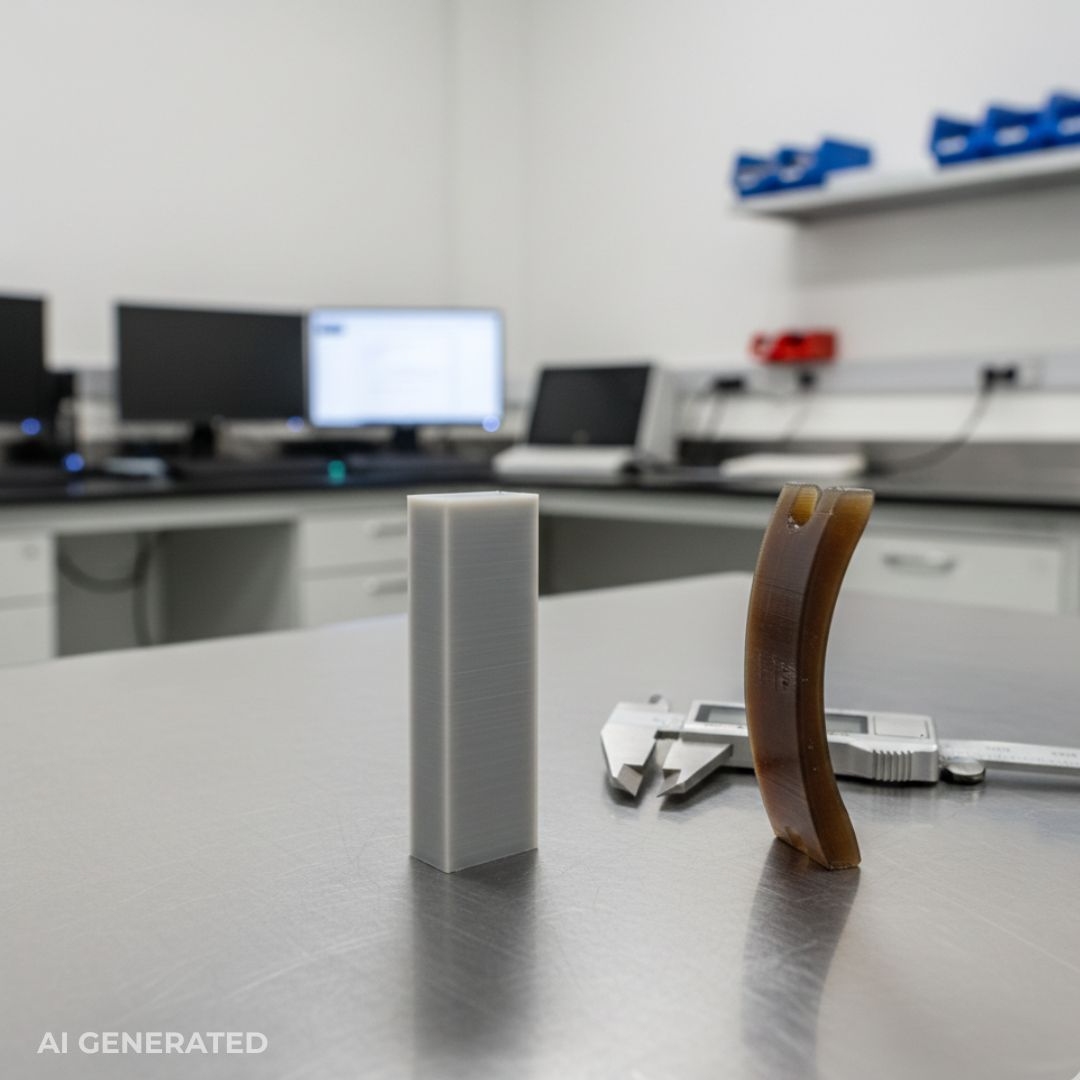
This guide breaks it down clearly.
What Is the Strongest Resin for 3D Printing?
In pure tensile and flexural testing, high strength engineering resins are typically the strongest SLA resin options available.
However, in real-world applications, parts often fail from impact, repeated stress, or stress concentration. In those cases, tough resin can outperform higher tensile-rated materials.
So “strongest” depends on failure mode.
Before choosing, it’s important to understand three commonly confused terms:
- Strongest → Handles high static load
- Toughest → Survives impact and repeated stress
- Hardest → Resists surface wear and scratching
The toughest 3D printing material is often not the hardest. And the hardest resin is not always the strongest resin for 3D printing in functional use.
What Does “Strongest Resin” Actually Mean?
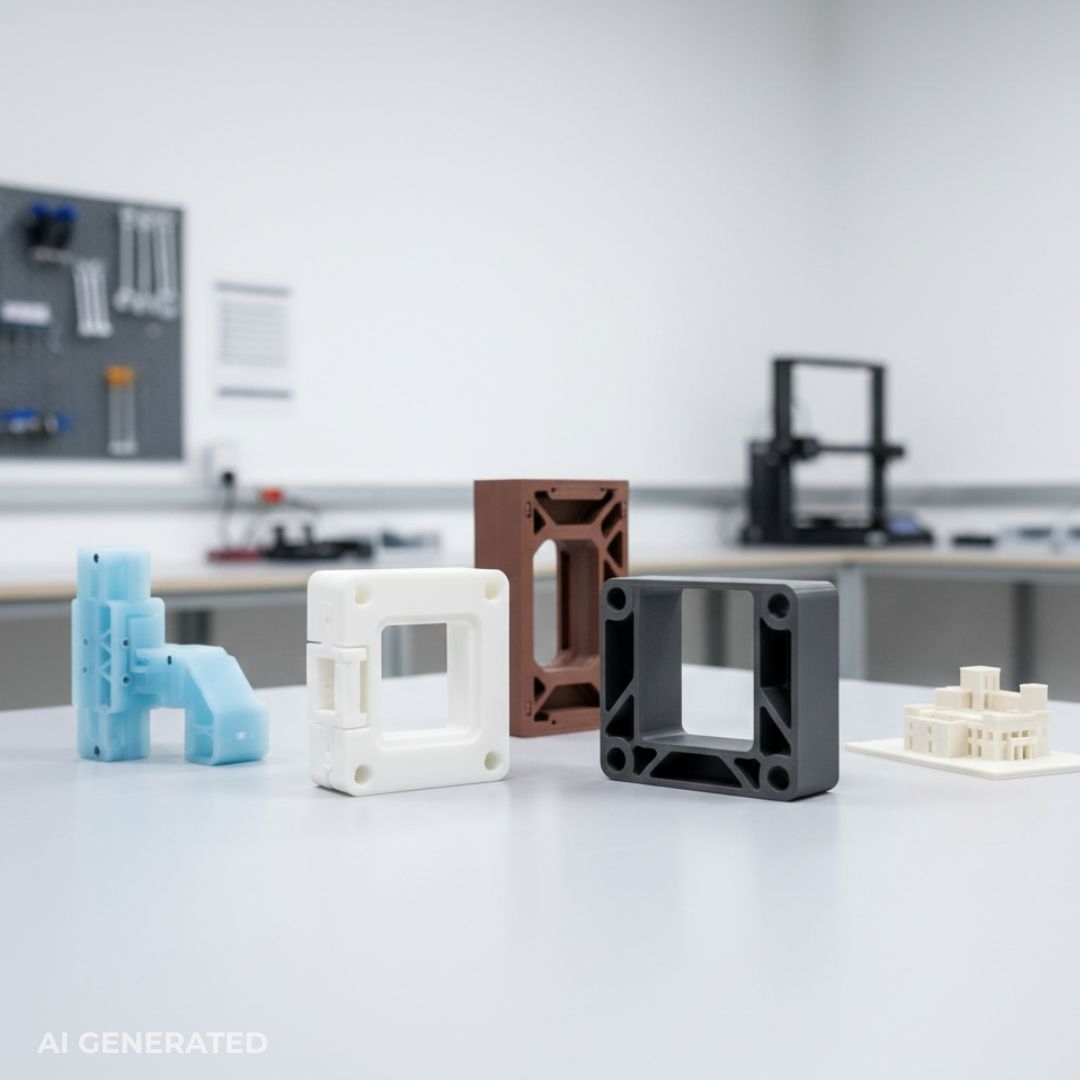
When people search for the strongest resin for 3D printing, they usually mean “a part that won’t break.” But strength is not a single property.
In material science, strength depends on how force is applied. A resin that carries heavy static loads may crack under sudden impact. Another that survives drops might slowly deform under constant weight.
Before choosing the strongest 3D printer resin, it’s important to understand three different properties: strength, toughness, and hardness.
Strongest vs Toughest vs Hardest Resin
These terms are often confused, but they describe different behaviors.
High-Strength Resin
Designed to resist static loads. It offers high tensile and flexural strength, making it ideal for rigid brackets, mounts, and structural parts.
Tough Resin
Built to absorb impact. Tough resin bends before breaking, making it better for snap-fit enclosures, hinges, and parts exposed to drops or vibration.
Hard Resin
Focused on surface resistance. Hardness determines scratch and wear resistance, which matters for gears and cosmetic components. Hard does not mean impact-resistant.
In simple terms:
- Strongest = handles static load
- Toughest = survives impact
- Hardest = resists surface damage
The toughest 3D printing material is rarely the hardest, and the hardest resin is often brittle.
Why Resin Parts Actually Fail
Even the strongest resin for 3D printing can fail under the wrong conditions. Common failure modes include:
• Brittle cracking under overload
• Impact fracture from drops
• Thin-wall stress failure
• Cracks at sharp internal corners
• Overcuring that reduces toughness
• Creep under constant load
Proper design, wall thickness, and controlled post-curing matter as much as material selection does.
Related Reading: Learn how to identify and fix these issues in our guide on common resin print fails and solutions.
If you're evaluating the strongest resin for 3D printing but don’t want to invest in industrial equipment, JLC3DP offers professional SLA production using high-strength and tough engineering resins. This allows you to test real functional performance before committing to material selection.
High Strength Resin vs Tough Resin: Which One Should You Choose?
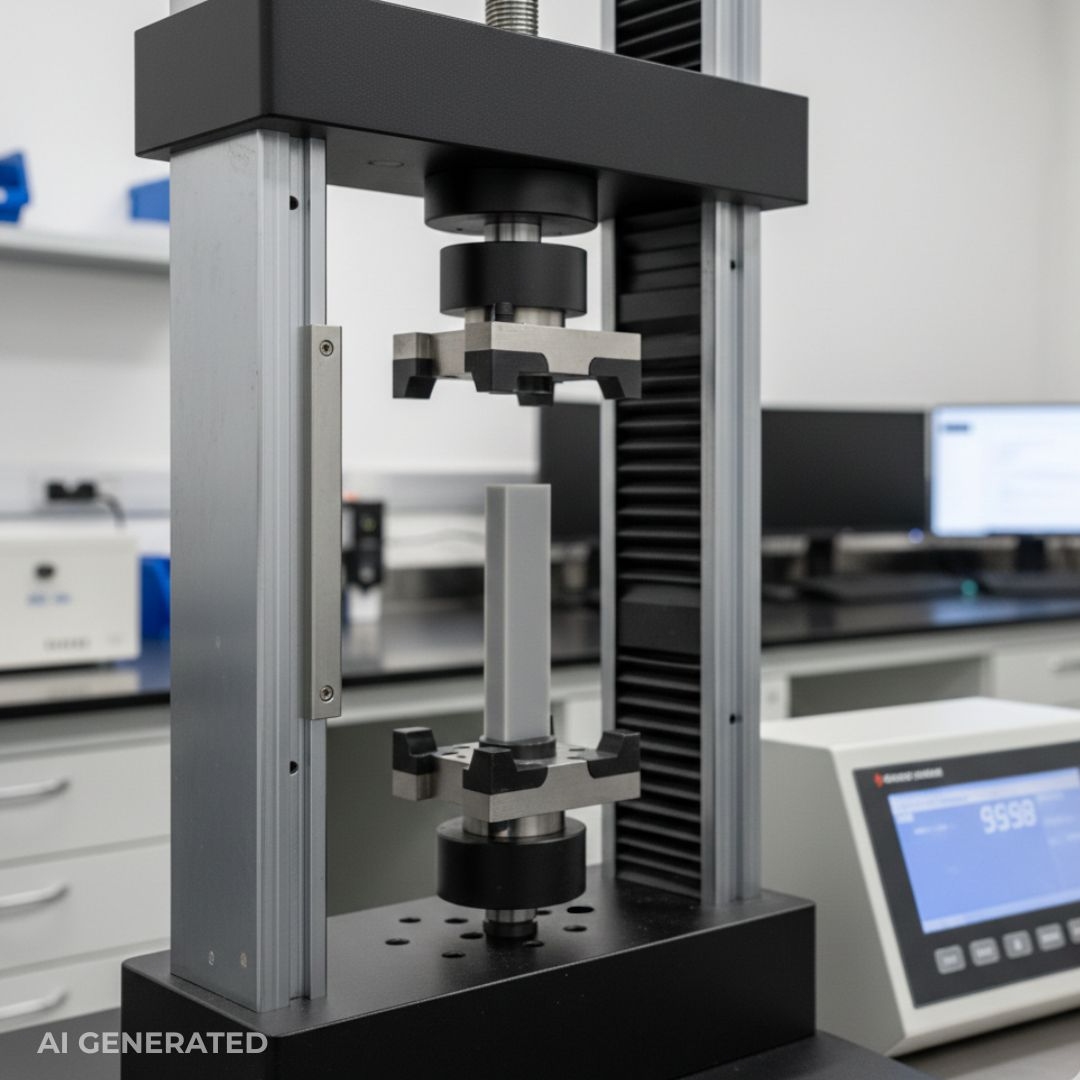
This is where most confusion happens.
People search for the strongest resin for 3D printing, but what they actually need is the right failure behavior. High strength resin and tough resin are engineered for different stress profiles.
If your part must stay rigid and hold load, → high strength resin usually wins. If your part must survive shock, flexing, or repeated use → tough resin is often the better choice.
When High Strength Resin Wins
High strength resin is designed for maximum tensile and flexural performance. It resists bending and maintains dimensional accuracy under static load.
Choose high strength resin when:
- The part carries constant mechanical load
- Dimensional stability is critical
- Deflection must be minimal
- The design includes rigid brackets or structural arms
You need the strongest SLA resin in terms of tensile strength.
Typical examples:
- Mounting brackets
- CNC fixture components
- Structural housings
- Robotics frames
- Jigs requiring alignment accuracy
A high strength resin behaves more like rigid engineering plastic. It has high modulus (stiffness), meaning it won’t flex much before breaking.
However, this also means lower elongation. If dropped or subjected to impact, it may crack suddenly. So while it may be the strongest 3D printer resin on paper, it is not always the most durable in real-world handling.
Use it when rigidity matters more than shock resistance.
When Tough Resin Wins
Tough resin is engineered to absorb energy. It trades some stiffness for impact resistance and flexibility.
Choose tough resin when:
- Parts will be dropped
- Snap-fit features are required
- The part flexes during use
- Moving assemblies create repeated stress
- You want a tough resin for 3D printer functional parts
Typical examples:
- Snap-fit enclosures
- Consumer product housings
- Protective covers
- Mechanical latches
Tough resin bends slightly before breaking. That flexibility dramatically improves survival in real-world conditions.
For many functional parts, tough resin ends up being the practical “strongest 3D resin” because it doesn’t fail catastrophically.
If you’re unsure and the part will be handled frequently, tough resin is usually safer than pure high strength resin.
Comparison Table: Strongest vs Toughest vs Hardest Resin
| Property | High Strength Resin | Tough Resin | High Hardness Resin |
| Tensile Strength | Very High | Moderate–High | Moderate |
| Impact Resistance | Low–Moderate | High | Low |
| Flexibility | Low | Moderate | Low |
| Surface Hardness | High | Medium | Very High |
| Best For | Structural load | Impact & snap-fit | Wear resistance |
Simple rule:
Holding weight → choose high strength resin
Surviving impact → choose tough resin
Resisting scratches → choose high hardness resin
Understanding this difference prevents most resin selection mistakes.
7 Types of Strongest Resin for 3D Printing (By Application)
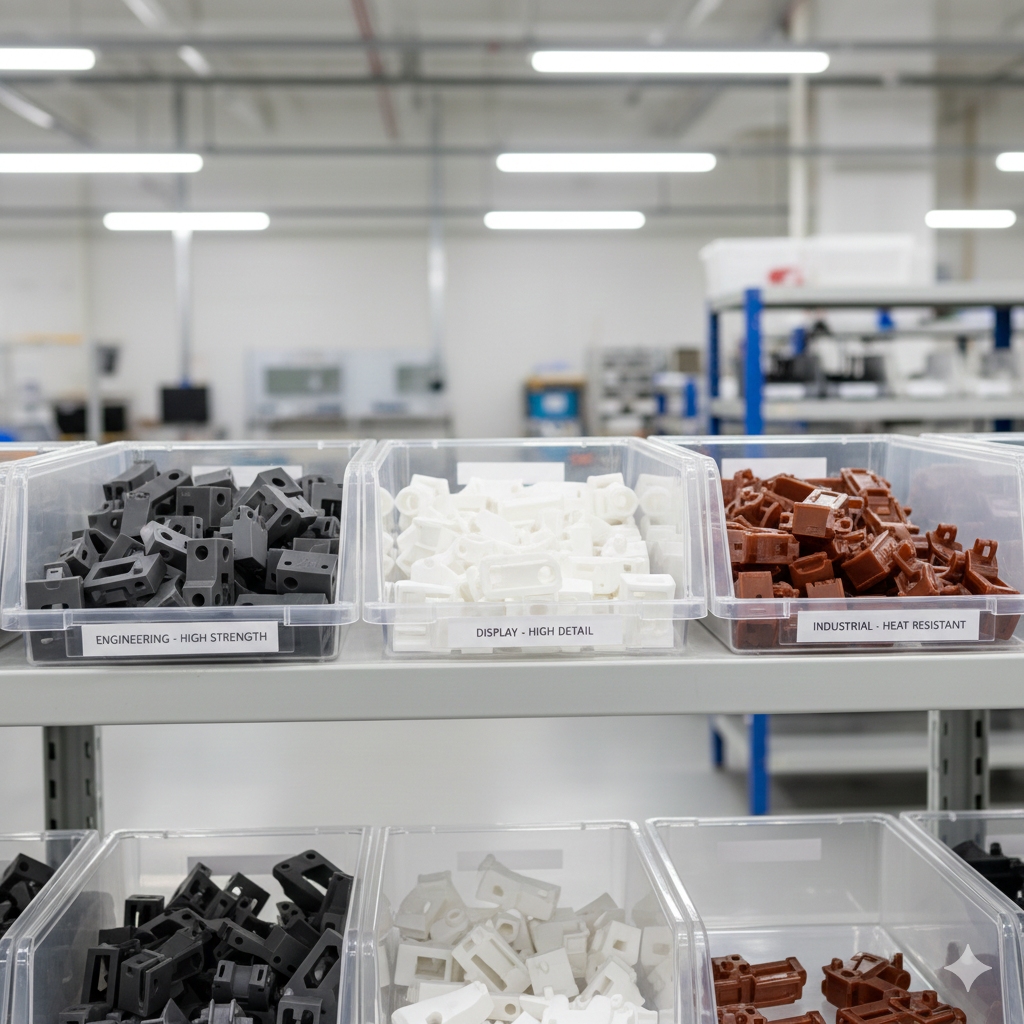
Instead of ranking by tensile numbers alone, here’s how the strongest resin for 3D printing varies by use case.
1. High-Strength Resin (Best for Static Load)
Ideal for rigid brackets, mechanical frames, jigs, and structural mounts.
This type offers high tensile and flexural strength with minimal deflection. It’s often what users mean when searching for the strongest 3D printer resin for load-bearing parts.
Trade-off: strong but brittle under sudden impact.
2. Tough Resin (Best for Impact Resistance)
Designed for housings, drop-prone parts, and functional assemblies.
Tough resin absorbs shock and bends before breaking. It may not have the highest tensile rating, but it’s often the toughest 3D printing material in real-world handling.
Trade-off: slightly more flexible under static load.
3. Resin for Snap-Fit Parts
Best for clips, battery covers, and enclosure latches.
This resin balances strength and flexibility, allowing repeated bending without cracking. A tough engineering resin is typically ideal for snap-fit geometries.
Trade-off: not suited for heavy continuous loads.
4. Heat-Resistant Resin
Used for molds, motor-adjacent components, and electronics housings.
It maintains structural integrity at elevated temperatures, making it the strongest resin for 3D printing in heat-critical environments.
Trade-off: more brittle than impact-focused resin.
5. Balanced Engineering Resin
A versatile option for general mechanical prototypes.
Offers moderate tensile strength, decent impact resistance, and stable dimensional accuracy. For many users, this is the practical strongest resin for everyday functional parts.
Trade-off: not optimized for extreme stress or heat.
6. Durable Resin for Miniatures
Best for gaming miniatures and thin decorative parts.
Compared to brittle standard resin, durable mini resin improves chip resistance and reduces breakage in thin details.
Trade-off: not designed for structural load.
7. Budget Resin
Suitable for concept models and light-duty prototypes.
Affordable and dimensionally stable, but impact resistance is lower compared to engineering-grade options.
Trade-off: limited performance under heavy load.
Resin vs Filament Strength: Is Resin Stronger Than PLA/ABS/Nylon?
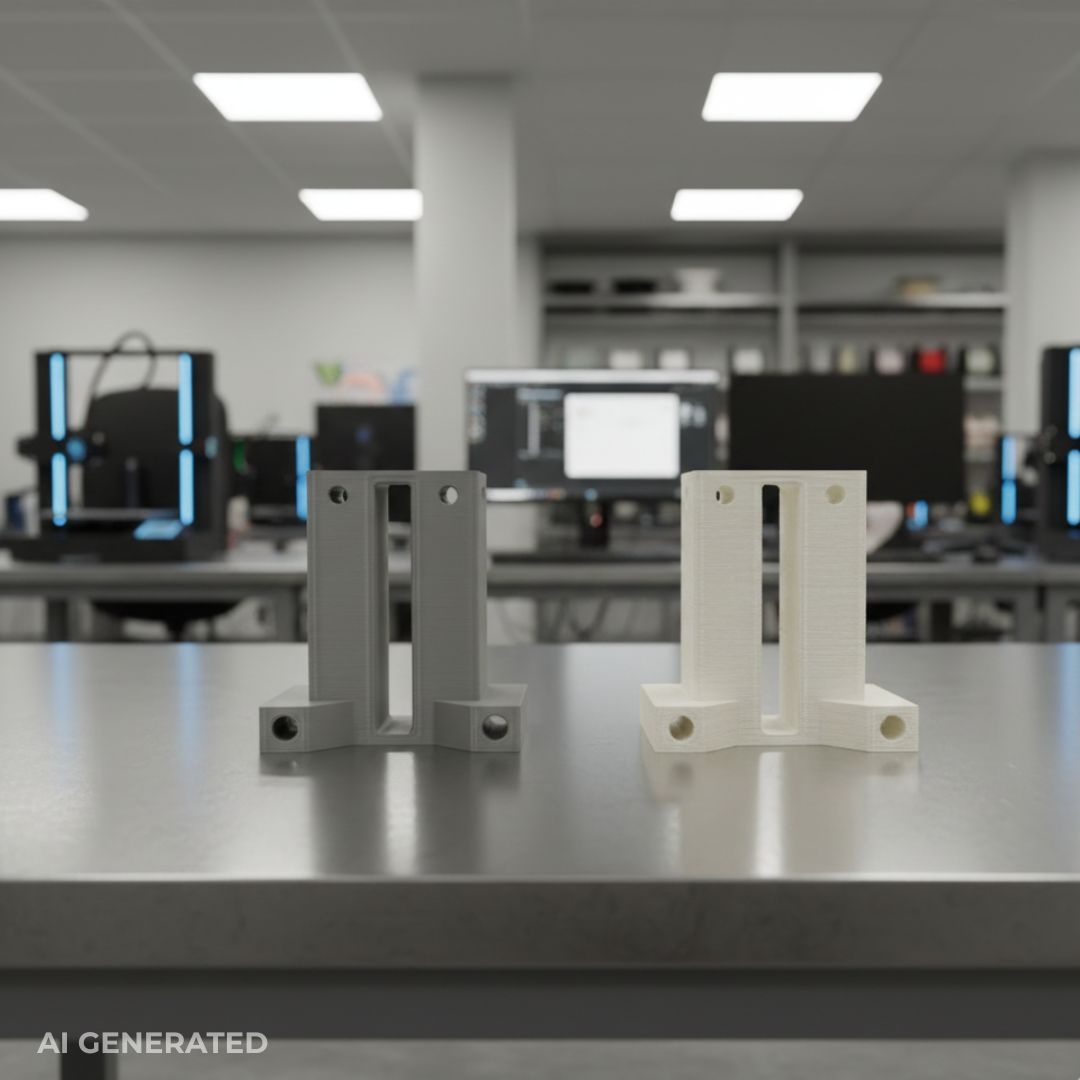
Is resin stronger than filament materials?
In stiffness and tensile strength, high strength SLA resin can outperform PLA and even ABS. Resin parts maintain excellent dimensional accuracy and sharp detail.
However, resin is generally more brittle than thermoplastics.
ABS offers better impact resistance than most rigid resins.
Nylon provides superior fatigue resistance and repeated flex durability.
PLA is stiff but softens at relatively low temperatures.
So while the strongest SLA resin may outperform filament in static load and precision, ABS and nylon are often better in vibration-heavy or impact-prone environments.
The answer depends on application, not material category.
If you’re still deciding between resin and filament technologies, our detailed SLA vs FDM comparison explains strength, accuracy, and surface finish differences in depth.
How to Make Resin Prints Stronger (Design + Settings + Post-Cure)
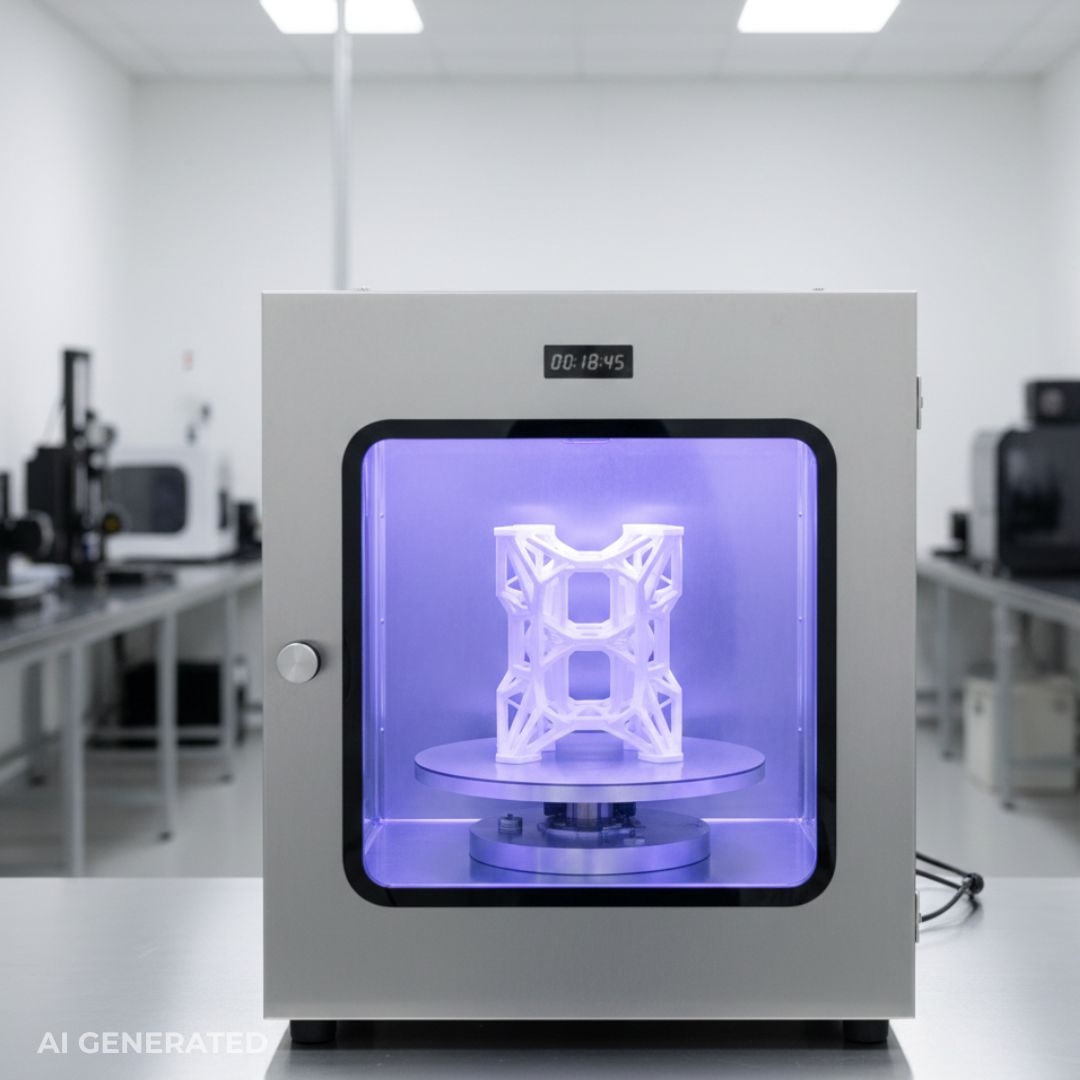
Even the strongest resin for 3D printing will fail if design and processing are poor.
1. Improve Geometry
- Add fillets to internal corners
- Reinforce load-bearing areas
- Avoid thin walls in stressed regions
- Add ribs or gussets to increase stiffness
Most resin cracks begin at sharp stress concentration points. To ensure your parts can handle industrial loads, you should follow established design guidelines for resin 3D printing.
2. Optimize Orientation & Exposure
SLA parts are generally more isotropic than FDM, though mechanical properties still vary slightly by orientation, and minor directional differences still exist.
- Align load paths to distribute stress evenly
- Avoid overexposure, which increases brittleness
- Avoid underexposure, which reduces tensile strength
Balanced exposure produces stronger parts than simply increasing UV time.
3. Control Post-Curing
Proper post-curing increases tensile strength and heat resistance.
However:
Overcuring increases brittleness
Excess UV reduces impact resistance
Follow manufacturer's curing guidelines carefully to achieve the intended mechanical performance.
Engineering Resin Options for Strong Functional Parts
For industrial SLA production, materials are typically categorized by performance rather than marketing labels.
High-Strength Structural Resins
1. 9600 Resin – Structural brackets, mechanical housings
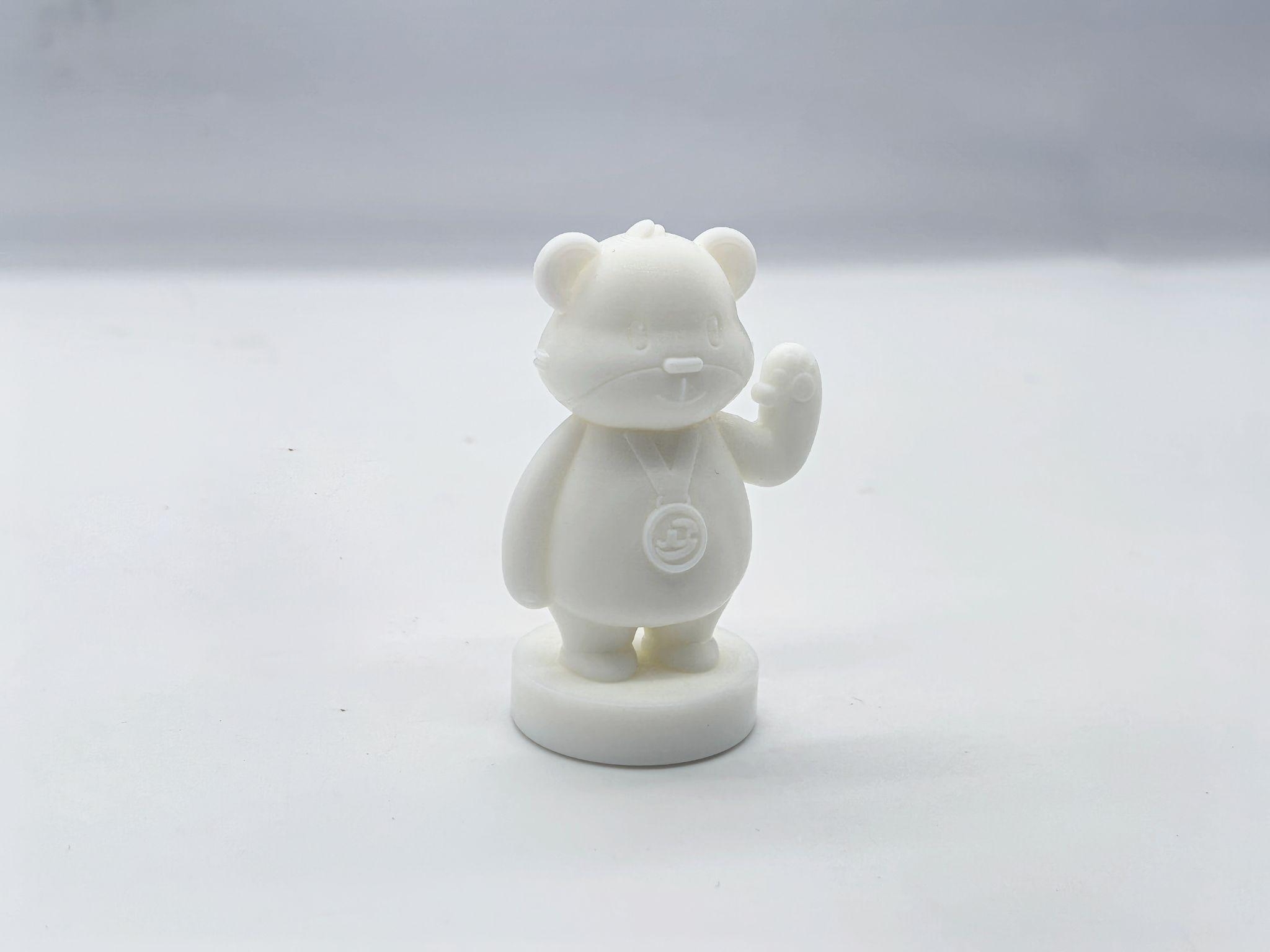
(photo by JLC3DP)
2. 8228 Resin – Rigid fixtures and alignment components
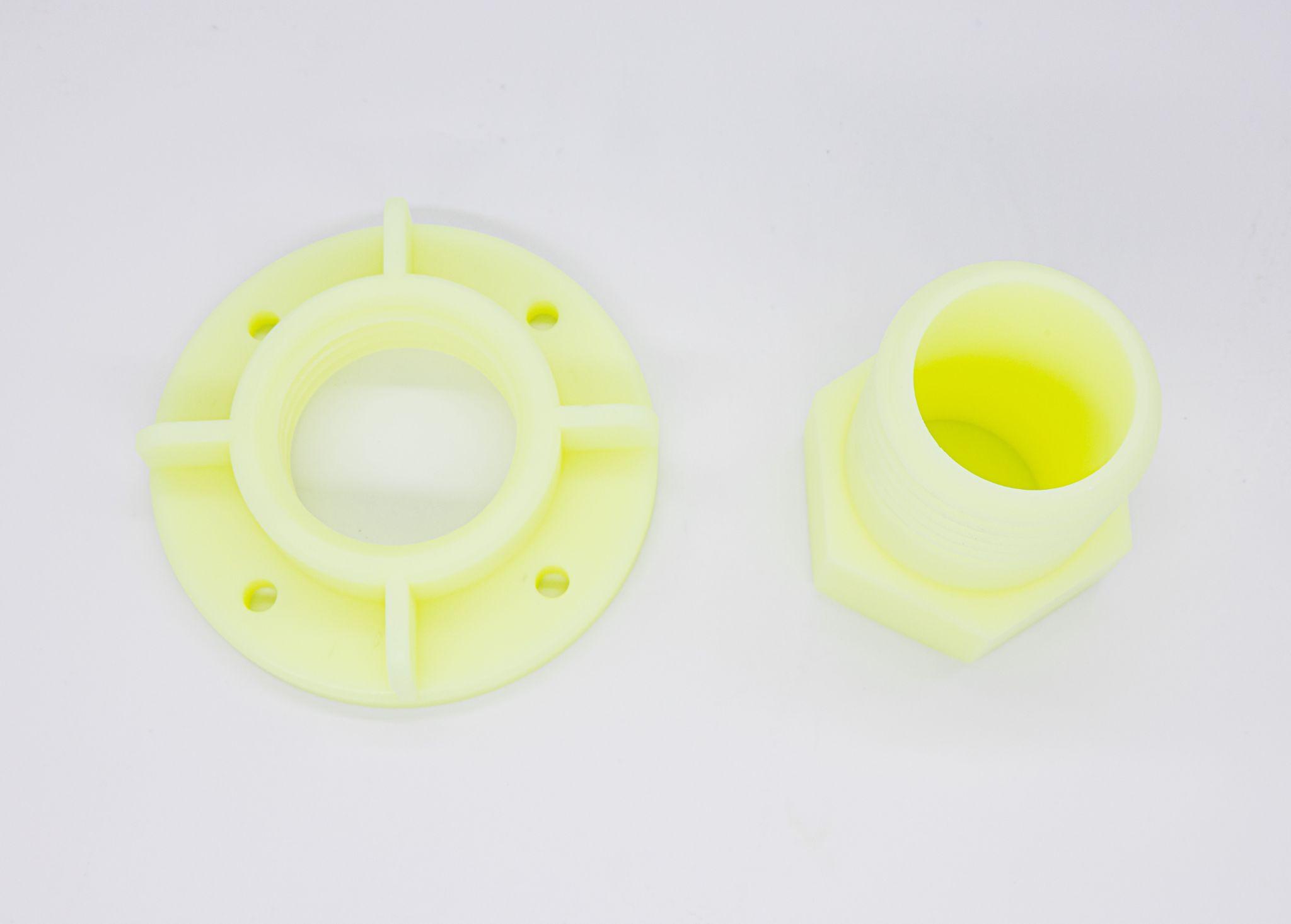
Tough & Balanced Engineering Resins
1. 8001 Resin – Balanced strength and moderate toughness
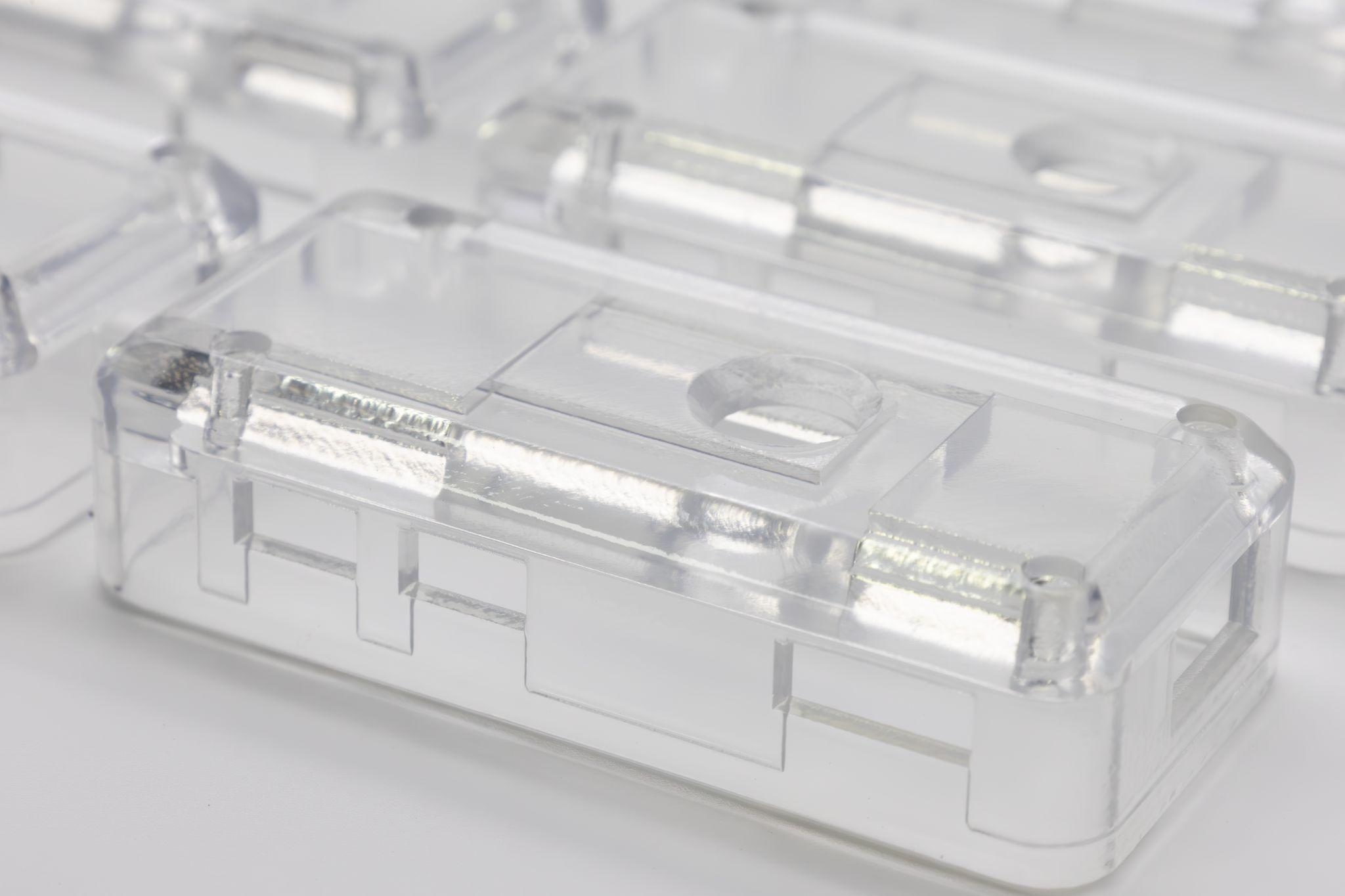
(photo by JLC3DP)
2. CBY Resin – Durable functional applications with reduced brittle failure
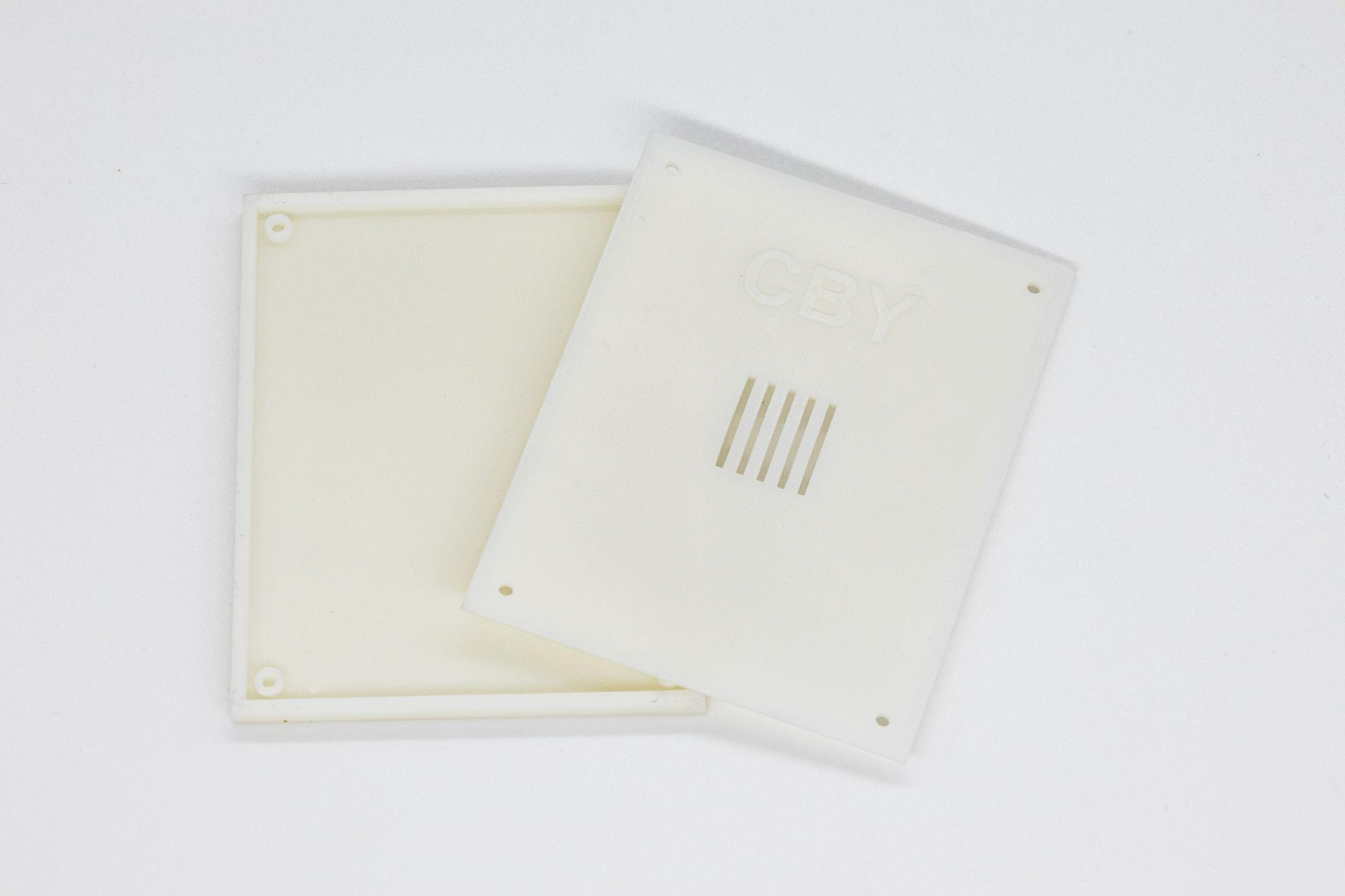
(photo by JLC3DP)
Heat-Resistant Engineering Resin
JLC Temp Resin – Elevated temperature environments
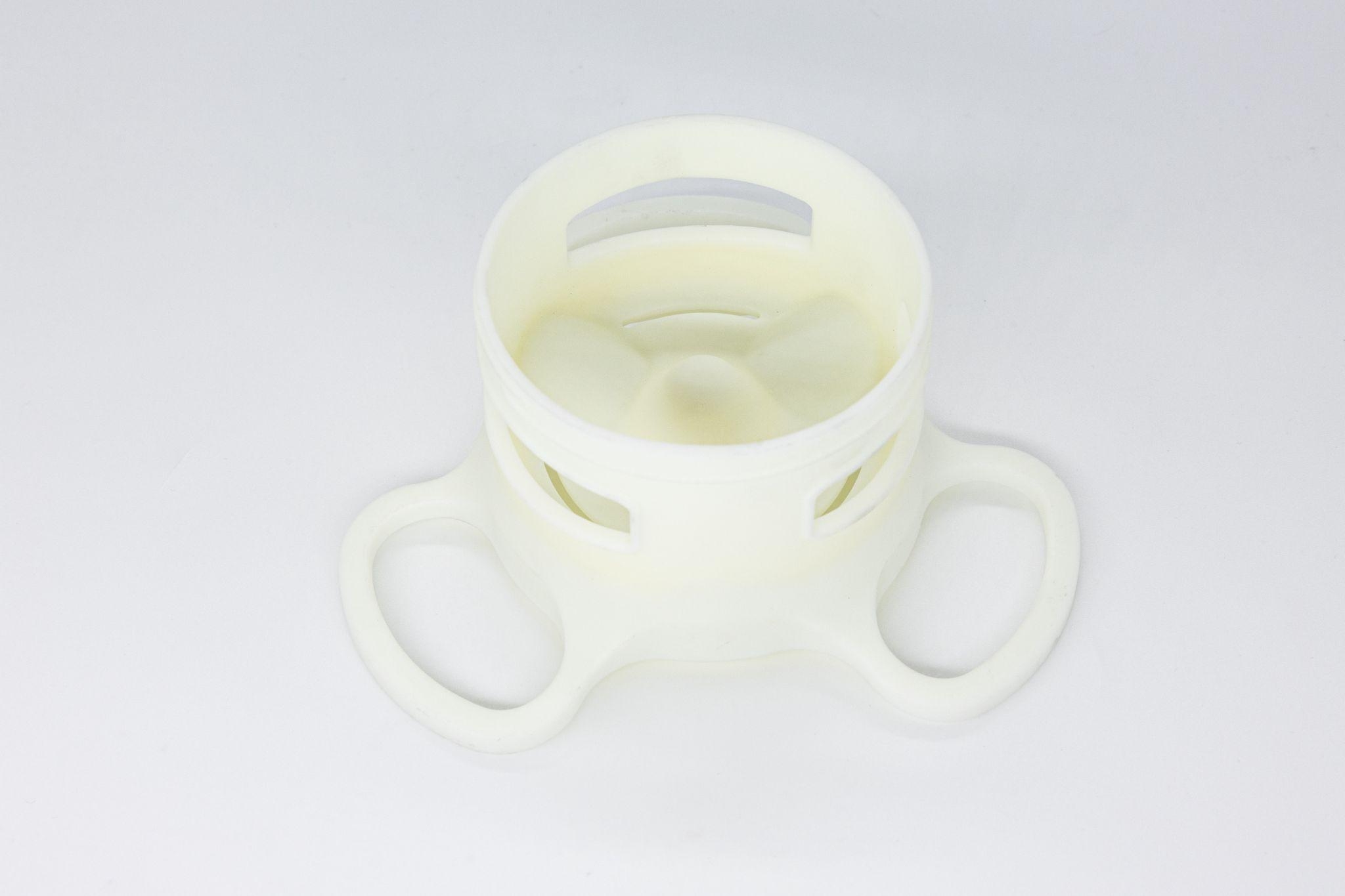
(photo by JLC3DP)
Detail & Prototyping Resins
1. Imagine Black – High-detail aesthetic models
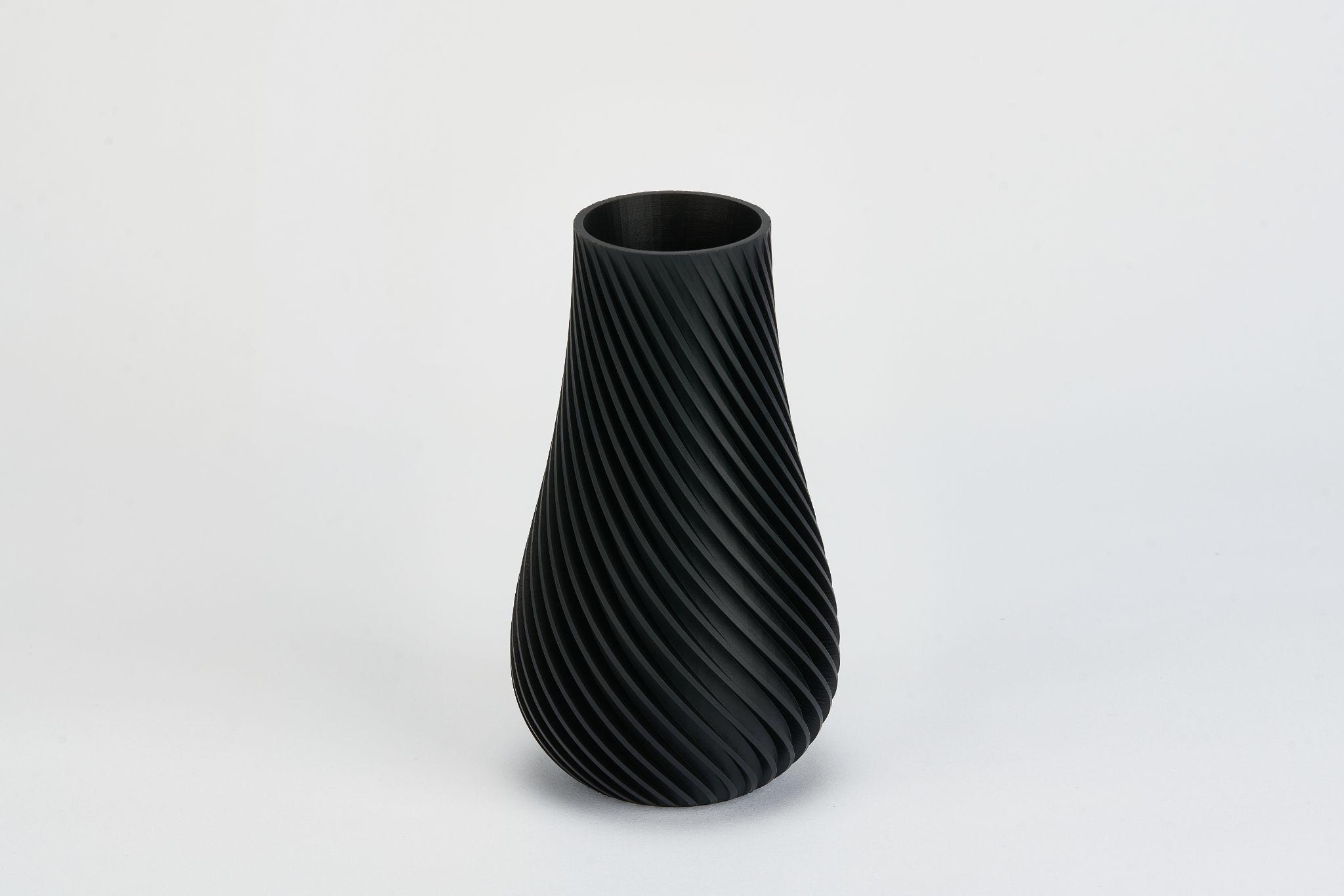
(photo by JLC3DP)
2. Grey Resin – General prototyping
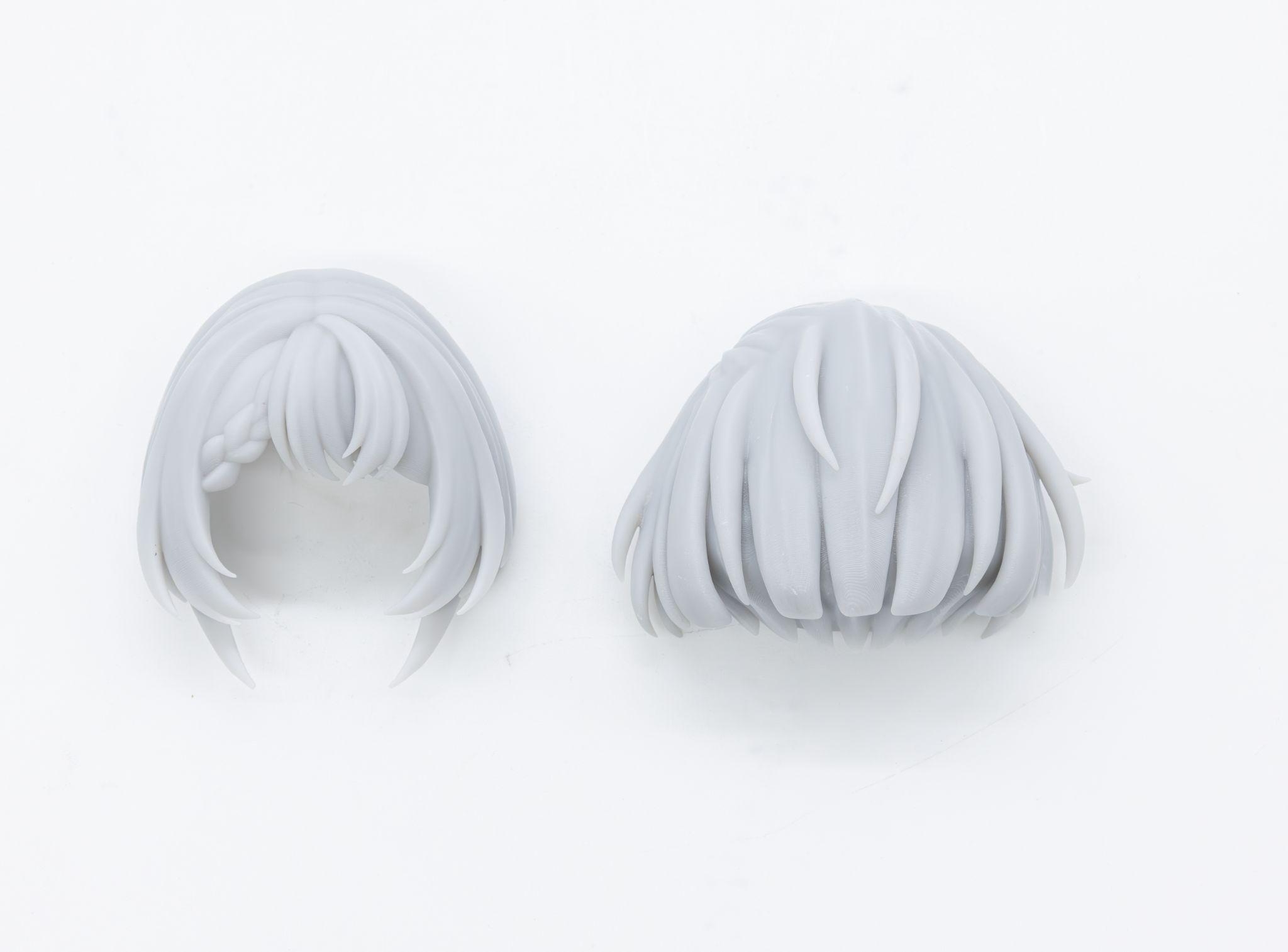
(photo by JLC3DP)
3. LEDO 6060 – Precision fine-feature parts
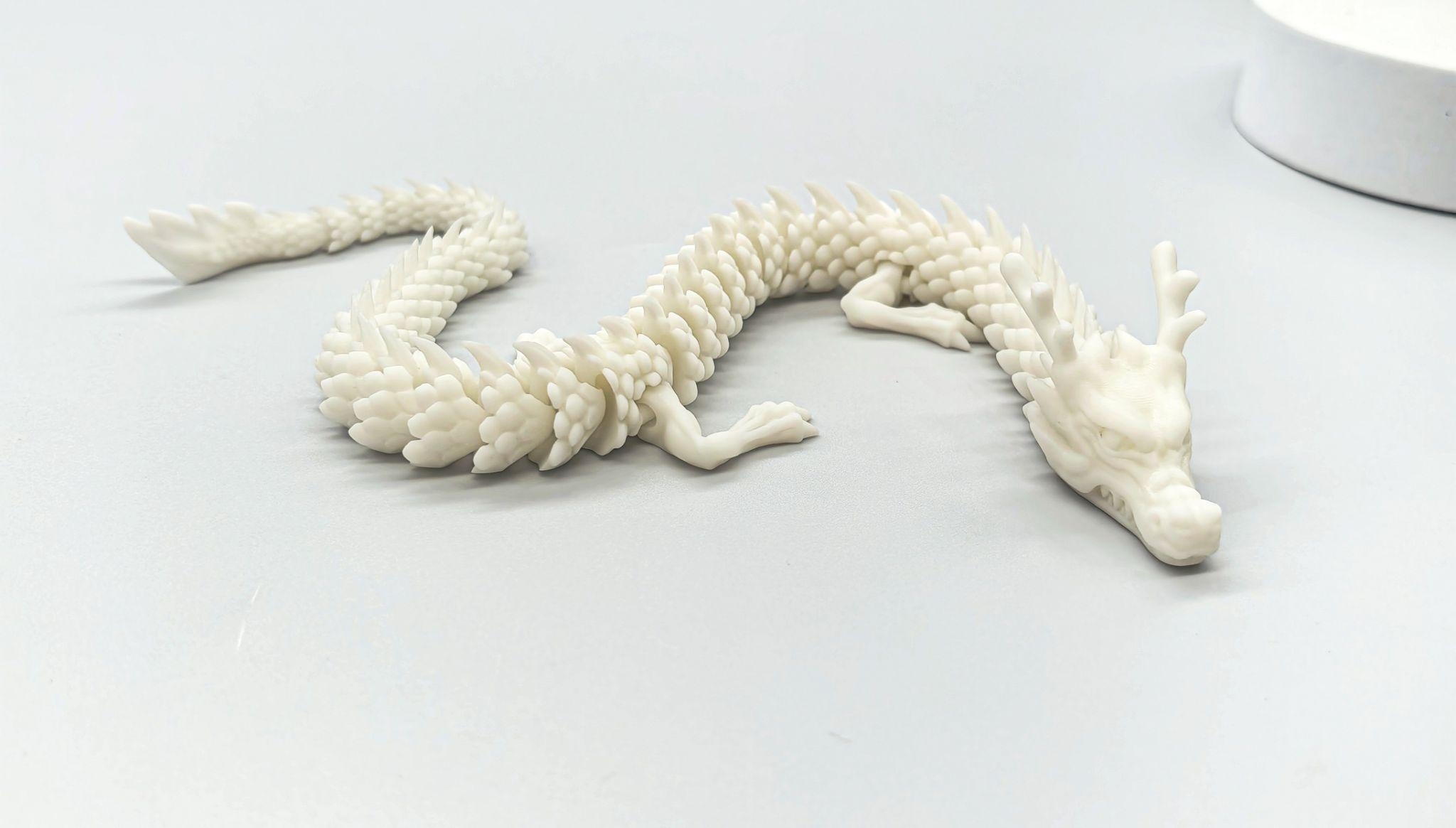
(photo by JLC3DP)
If you are selecting the strongest resin for 3D printing functional components, focus on mechanical profile and stress conditions rather than tensile strength numbers alone.
JLC3DP provides industrial SLA production using this full range of engineering resins, allowing functional testing without investing in in-house equipment. You can access industrial-grade SLA production starting at just $0.30, ensuring that high-strength engineering parts remain cost-effective.
Final Verdict: Which Resin Should You Choose?
Choosing the strongest resin for 3D printing depends on how your part will fail.
If your part must hold weight without bending → choose high strength resin.
If your part must survive drops or repeated movement → choose tough resin.
If your part needs snap-fit flexibility → choose ABS-like tough resin.
If your part sees heat → choose heat-resistant resin.
If you need balanced performance and easy printing → choose a general engineering resin.
There is no single strongest 3D resin for every scenario. The right choice is application-driven.
If you’re building functional prototypes or engineering parts and want reliable performance, choose a resin that matches your stress conditions, not just the highest number on a datasheet.
Ready to print stronger functional parts? Select the resin aligned with your load, impact, and heat requirements, and design with strength in mind from the start.
FAQ About the Strongest Resin for 3D Printing
Q1: What is the strongest resin for functional parts?
A: High strength engineering resin is typically the strongest resin for 3D printing in terms of tensile and flexural strength. It performs best in load-bearing applications.
Q2: Is tough resin stronger than standard resin?
A: Tough resin is usually stronger in impact resistance and durability, but it may have lower tensile strength than high strength resin. It survives drops and repeated stress better.
Q3: Does post-curing make resin stronger?
A: Yes. Proper post-curing increases tensile strength and heat resistance. However, overcuring can increase brittleness and reduce impact resistance.
Q4: What resin is best for snap-fit parts?
A: A tough resin for 3D printer systems is best for snap-fit parts because it allows slight flexing without cracking.
Q5: Why do resin prints crack?
A: Common causes include brittle material selection, thin walls, sharp corners, overcuring, stress concentration, and sudden impact loading.
Q6: Is resin stronger than ABS?
A: In tensile strength and stiffness, high-strength resin can outperform ABS. However, ABS generally offers better impact resistance and fatigue performance.
Keep Learning
Best Resin Printer for Miniatures in 2026
Choosing the best resin printer for miniatures in 2026 comes down to one thing: detail per dollar. After a hands-on review of this year's leading SLA and 4K/8K LCD resin printers, we ranked the top picks for D&D, Warhammer, and tabletop terrain — from a $149 beginner machine to an 8K showcase rig. This guide covers resolution (4K vs 8K), build volume, resin choices, and a buyer's checklist, so you can print crisp minis without overspending or drowning in failed prints. Why Resin 3D Printers Are Best f......
Strongest Resin for 3D Printing (2026): Tough vs High Strength Resins Compared
When people ask for the strongest resin for 3D printing, what they usually mean is “the strongest for my part.” A rigid bracket, a snap-fit enclosure, and a heat-exposed fixture all fail in different ways. This guide breaks it down clearly. What Is the Strongest Resin for 3D Printing? In pure tensile and flexural testing, high strength engineering resins are typically the strongest SLA resin options available. However, in real-world applications, parts often fail from impact, repeated stress, or stres......
ABS-Like Resin vs Standard Resin: The Definitive Guide to Material Choice & Performance
Key takeaways Standard Resin: High stiffness, extreme brittleness, best for static visuals. ABS-Like Resin: High elongation, exceptional impact resistance, mandatory for snap-fits. Near-Isotropic Advantage: Unlike FDM-printed authentic ABS which suffers from weak interlaminar (Z-axis) bonds and anisotropy, SLA ABS-like resin cures via liquid cross-linking, providing near-isotropic advantage and uniform multi-directional strength. Water Washable Resin: Zero IPA needed, eco-friendly workflow, but sacrif......
Best Flexible Filament for 3D Printing: TPU vs PEBA vs TPE
You're staring at three flexible filament options and they all claim to be "flexible." That word covers a lot of ground. A phone case grip and an airless basketball both need flexibility, but they need completely different things from it. This guide breaks down what actually separates TPU, PEBA, and TPE so you pick based on what your part needs to do, not just what's available. What Is the Best Flexible Filament for 3D Printing? The softest 3D printing material depends entirely on the application. TPU......
What Is 9000HE Resin? The High Strength SLA Engineering Resin Explained
What Is 9000HE Resin? The High Strength SLA Engineering Resin Explained Most SLA resins are designed for one thing: looking good. Smooth surface, fine detail, accurate geometry. That's where the technology excels and that's what most resin materials are optimized for. 9000HE wasn't designed for that. It was designed for the parts that actually have to do something, carry load, survive assembly, hold up in functional testing, and behave like an engineering material rather than a display model. If you'v......
Which Resin Is Best for 3D Printing Fine Details vs Functional Parts?
Resin 3D printing is often marketed as a single category, but in practice, the resin you choose matters more than the printer itself. A photosensitive resin optimized for ultra-fine surface detail behaves very differently from a resin designed for load-bearing or heat-resistant parts. Treating them as interchangeable is one of the most common reasons resin prints fail to meet expectations. When comparing 3D printing resin types, the real question isn’t which resin is “best” overall, it’s what the part......